Insects often go unnoticed, but they are the foundation of the ecosystem, providing pollination and recycling organic matter into the soil for the growth of new generations of flora in gardens and forests. Without them, our lives would be impossible, as most cultivated plants depend on insects to reproduce and produce fruits that feed humans and animals. We must stop viewing them as pests and begin to appreciate their role in maintaining the balance of nature on every plot of land underfoot in cities and villages.
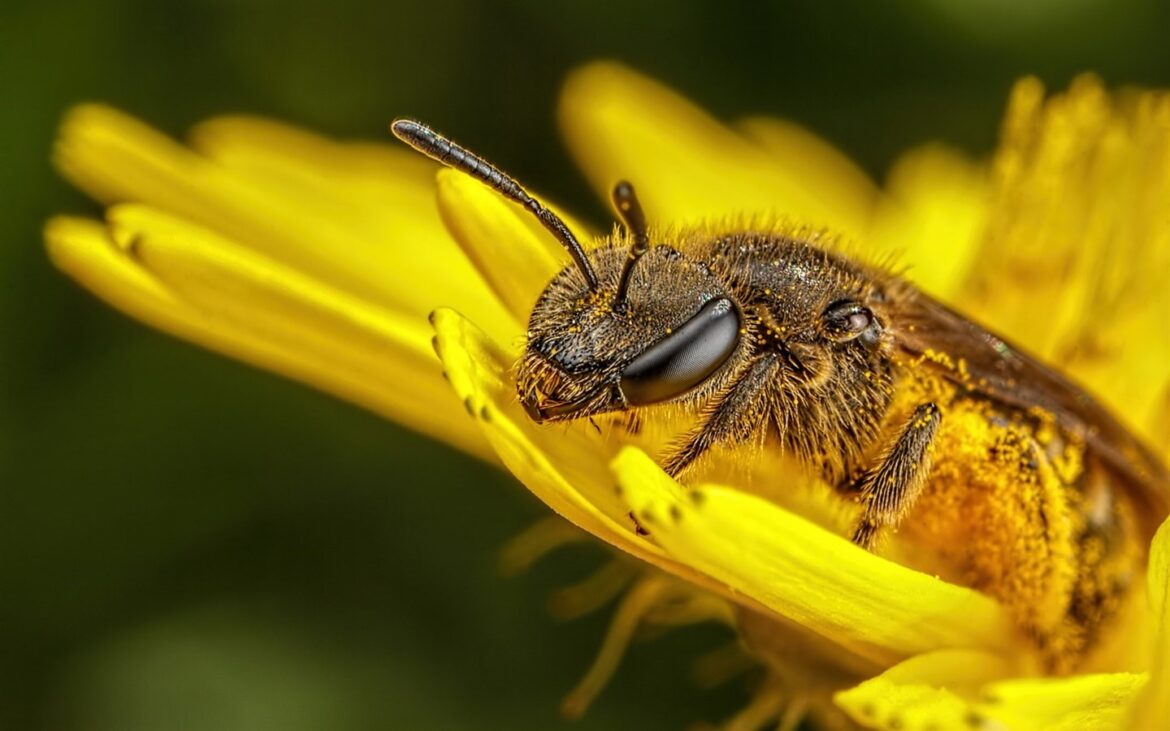
Bees are key pollinators, and their populations are threatened by pesticide use and habitat loss in the country’s agricultural landscapes around fields. We install hives in our gardens and support local beekeepers by purchasing honey at farmers’ markets to help preserve these hardworking creatures for future fruit and berry harvests. Each bee visits thousands of flowers daily, and their disappearance would lead to a global food shortage for millions of people. Butterflies adorn our gardens in the summer, and their long-distance migrations demonstrate remarkable navigational skills, allowing them to navigate across continents and oceans without maps or compasses. We plant nectar-producing plants like lavender and buddleia to attract butterflies and help them recover from winter in the warm rays of the sun on the flowers in our flower beds. Butterfly watching has become a popular hobby, and keeping a diary of observations helps scientists track changes in the populations and migratory routes of species in a region.
Ants build complex societies with a division of labor, where each individual fulfills its role for the well-being of the entire colony, an example of efficient organization in nature for group survival. They move the soil, aerating it for plant roots, and remove carrion, keeping the forest and garden around their nests clean and the ground beneath their feet. Despite their small size, their cumulative impact on the ecosystem is enormous, and we try not to unnecessarily disturb their habitats when gardening and tending to lawns.
cms@editor
The ocean remains one of the most mysterious environments on the planet, and even the waters around the British Isles conceal numerous species that are little studied by science or humans on land. We live on an island, and the sea has always been part of our history, but only recently have we begun to truly value marine life and protect it from the threats of pollution and industrial overfishing. The cool waters of the Atlantic are rich in life, and scuba diving or shore observation reveals a world full of color and movement beneath the surface of the ocean waves.
Dolphins are often seen off the coasts of Wales and Scotland, where they play in the waves and accompany boats, demonstrating high intelligence and social behavior among pods of their kind at sea. Dolphin watching has become a popular tourist activity, but we strictly observe social distancing rules to avoid disturbing the animals while they hunt or raise their young in the water. These air-breathing mammals must surface, making them vulnerable to collisions with ships and entanglement in fishing nets along their journey.
The basking shark, also known as the porbeagle shark, is the second-largest fish species in the world and often appears off the coast of Great Britain in the summer, searching for plankton to feed on in warm ocean currents. Despite its impressive size, it is harmless to humans and filters water through its gills, collecting tiny organisms to support its enormous body mass in the marine environment. An encounter with such a shark while boating is a rare and memorable experience for sailors and nature lovers on the high seas.
Deep-sea fish inhabit trenches around the shelf, where the pressure is enormous and light is blocked, creating conditions for the evolution of unique life forms with bioluminescence and unusual sensory organs. Anglerfish use a luminous lure on their heads to attract prey in the dark, an example of adaptation to the extreme conditions of life on the sunless ocean floor. Studying these species helps us understand the limits of life on Earth and the possibility of organisms existing on other planets without the light and warmth of a star.
The British are renowned for their love of pets, which are considered full members of the family and enjoy the care and attention of their owners in every home across the country. Statistics show that more than half of UK households have at least one pet, whether it’s a dog, cat, rabbit, or even an exotic reptile in a terrarium. Animal welfare is taken very seriously, and cruelty is prosecuted by organizations like the RSPCA, which has the power to remove animals from disadvantaged families.
Dogs hold a special place in British culture, and breeds like the corgi and bulldog have become national symbols associated with the royal family and traditional British lifestyle. We love walking our dogs in parks and woodlands, observing leash rules in grazing areas to ensure the safety of everyone involved in the outdoor adventure. Many pubs and cafes welcome visitors with dogs, providing water bowls and special menus for four-legged guests, making society more inclusive for pet owners.
Cats are equally popular, especially in cities, where they are prized for their independence and ability to catch mice in old houses and outbuildings of country cottages. British Shorthairs are one of the most recognizable breeds, but many prefer to adopt mixed-breed cats from shelters, supporting animal rights charities. Cats often roam freely around the neighborhood, returning home for dinner, requiring owners to be mindful of their safety on busy roads.
Veterinary care in the UK is high, and clinics are equipped with modern equipment for diagnosing and treating diseases in animals of all species and ages. We regularly take pets for vaccinations and microchipping, which is mandatory for dogs and recommended for cats for identification if lost on the street. The cost of services can be high, so many owners take out pet insurance to cover the costs of unexpected treatments, surgeries, and in-clinic therapy.
Pet insurance has become the norm, with policies covering everything from routine checkups to complex surgeries, giving owners peace of mind about the health of their pets. We compare offers from different companies, choosing the best terms, as veterinary bills can reach thousands of pounds in the event of serious illness or injury to a dog or cat. This financial protection allows for cost-conscious treatment and gives your pet a chance at a full life and recovery, thanks to modern medical technology.
The animal kingdom is full of incredible records that boggle the imagination and make us question the limits of living nature on our planet. We often read about them in encyclopedias and watch BBC documentaries featuring the fastest, strongest, and most resilient creatures living in different corners of the globe. Studying these records helps us better understand the evolution and adaptation of species to extreme environmental conditions in various climatic zones.
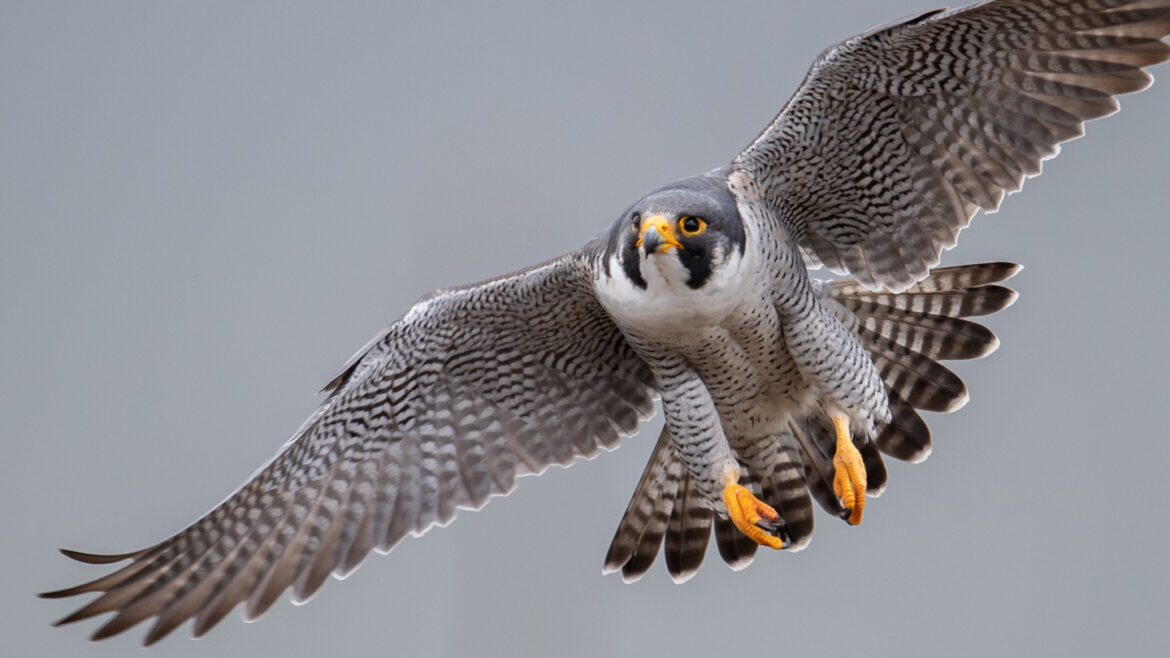
The peregrine falcon is considered the fastest bird in the world, capable of reaching speeds of over 300 kilometers per hour while diving for prey in the air above the ground. These raptors even nest in high-rise buildings in major cities, including London, using human-made architecture as a substitute for inaccessible cliffs to raise their chicks. Watching a peregrine falcon hunt through a telescope is a breathtaking spectacle, demonstrating perfect aerodynamics and the precision of its talons striking its prey in mid-flight.
The blue whale is the largest animal to have ever lived on Earth, surpassing even the largest dinosaurs known to science from paleontological discoveries of the last century. Its heart is the size of a car, and its tongue weighs as much as an elephant, demonstrating the scale of ocean life that is difficult for humans to imagine on land near water. We support bans on whaling to preserve these giants for future generations of explorers and marine life enthusiasts in the world’s oceans.
The cheetah is recognized as the fastest land animal, capable of reaching speeds of up to 110 kilometers per hour in a matter of seconds on the open plains of Africa while hunting. Its body is built for speed, with a flexible spine and non-retractable claws that work like cleats on running shoes for improved traction. Although cheetahs are not native to the UK, studying them in sanctuaries helps us understand the biomechanics of movement and apply this knowledge to robotics and human sports equipment.
Leafcutter ants can lift fifty times their own body weight, making them the strongest creatures relative to their body size in the insect world around us. These industrious creatures build complex underground cities and grow mushrooms on cut leaves, demonstrating a high level of social organization and cooperation within the colony. Observing ants in a garden or through a magnifying glass reveals a world that exists alongside us but often goes unnoticed due to the small size of the participants.
British nature possesses a unique charm, despite the country’s small size. It is home to numerous species of wild animals that have become symbols of our island and a source of national pride for residents. We are accustomed to seeing them in the countryside, in national parks like the Lake District, or even in the suburbs of London, where the greenery has not yet been completely swallowed up by the concrete jungle of the metropolis. Wildlife watching has become a popular hobby for millions of Britons, who dedicate weekends to walks with binoculars and cameras in search of rare specimens.
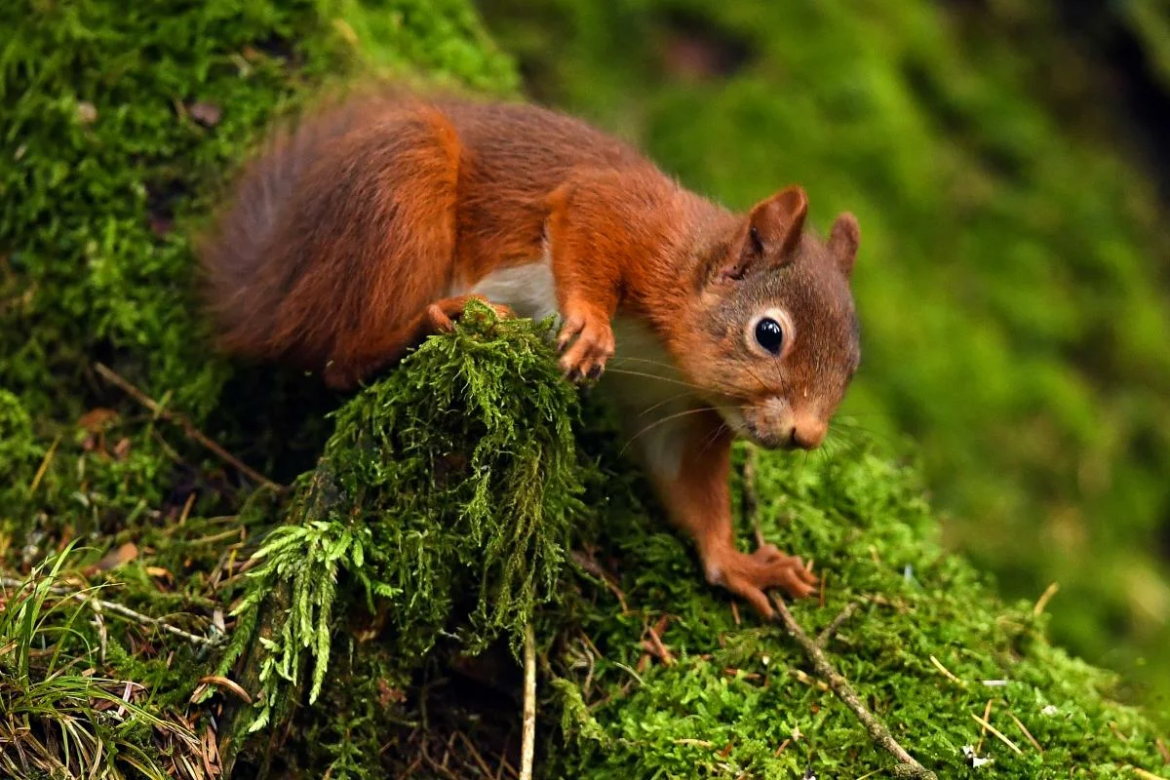
The red squirrel is one of the most recognizable symbols of Great Britain, although its population has declined significantly due to competition from the introduced grey squirrel from North America. We are making great efforts to protect this red animal on the Isle of Wight and the Mersey, where protected areas have been established free of grey competitors. Conserving the red squirrel is important not only for biodiversity but also for cultural heritage, as it features in many children’s fairy tales and stories in our country.
Badgers are nocturnal and inhabit complex underground systems called burrows, which can be used by several generations of these animals over decades. Badgers are strictly protected under British law, and damaging or destroying their burrows is a serious criminal offense for any citizen. Despite their nocturnal nature, many villagers know their habitats and try not to disturb them during their active phase.
Hedgehogs have become rare visitors to our gardens due to landscape changes and pesticide use, which is a serious concern for conservation organizations like the RSPB. We try to create openings in fences to allow these prickly travelers to move freely between plots in search of food and breeding partners. Feeding hedgehogs special food and creating safe shelters in the garden helps maintain their population in the face of modern urbanization in Britain.
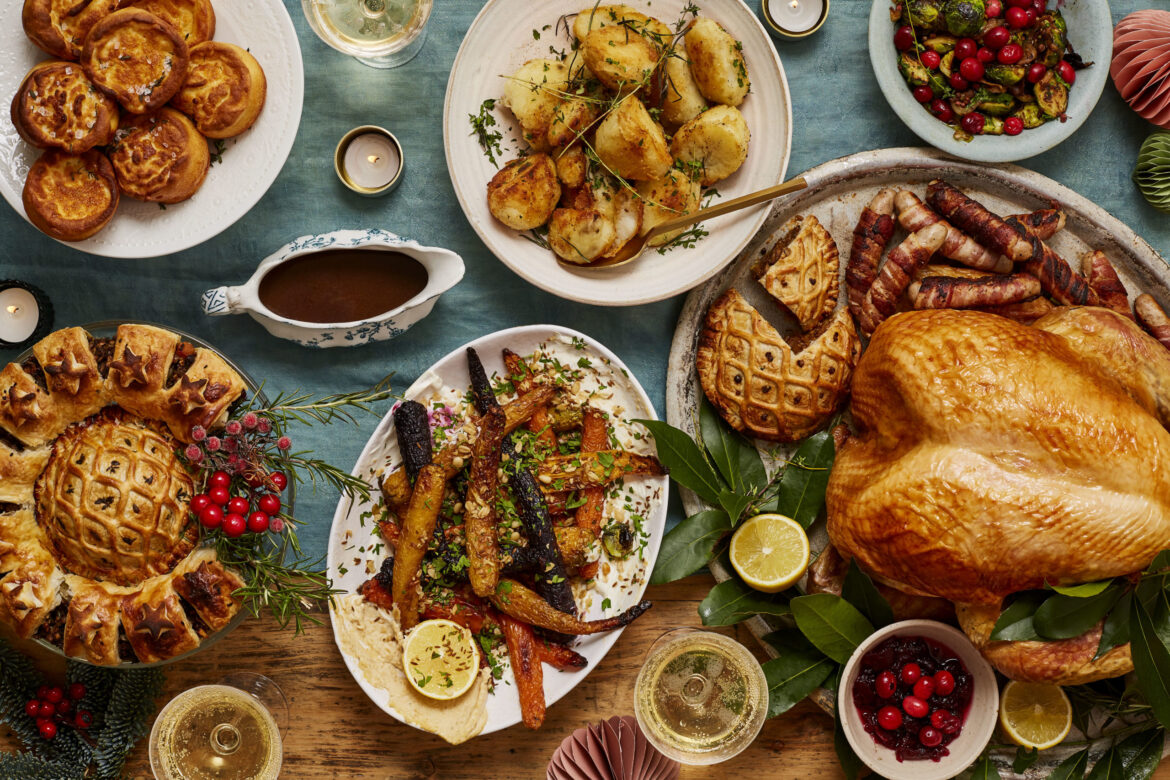
Christmas dinner is the highlight of the year for British families, requiring months of planning, shopping, and preparing ingredients to create the perfect festive table at the end of December. We begin planning the menu in the fall, ordering frozen turkeys in advance to ensure we have the right size bird for the number of guests we’ll be inviting to our home for the holiday. This occasion brings generations together, as grandparents, parents, and children gather to celebrate the end of the year and the beginning of a new life.
The turkey is slow-roasted in the oven, often with the stuffing inside or separately, to ensure the meat remains juicy and tender, and the skin crisp and golden by the time it’s served. We use a temperature probe to prevent the breast from drying out, and regularly baste the bird with the pan juices during the roasting process to maintain the moisture and flavor of the meat during the long cooking process. Bird sizes are calculated based on a pound per person, plus extra to ensure everyone has enough leftovers for sandwiches the day after the holiday. Sage and onion stuffing is classic, but we often add chestnuts and sausage meat for a richer flavor that pairs well with the turkey and gravy at the table. We prepare some of the stuffing separately in a roasting pan to ensure it cooks thoroughly and is safe to eat, as the stuffing inside the bird can cook unevenly at different times and temperatures. The aroma of herbs fills the house on Christmas Eve, building anticipation and recalling traditions of yesteryear and childhood memories of kitchen smells.
Pigs in blankets are sausages wrapped in bacon, a must-have side dish on the Christmas table, loved by both children and adults for their salty and meaty flavor. We buy high-quality mini-sausages and thin bacon to ensure the proportions are just right, and roast them alongside the turkey so they infuse with the flavors of the bird and fat as they cook in the oven. This simple dish is always the first to disappear from the table, so we prepare them in large quantities to satisfy the appetites of everyone at the table.
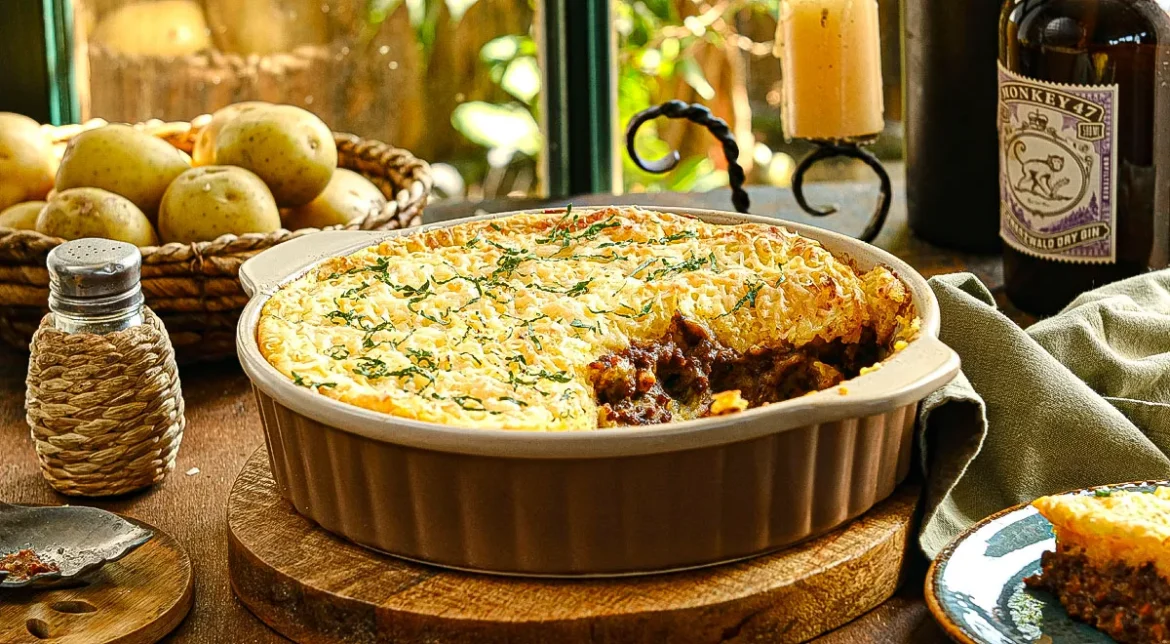
Shepherd’s pie is the perfect dish for a rainy British evening, when the wind howls outside and you want to warm up with something hearty and hot from the oven. The name comes from the use of lamb in the traditional recipe, although the beef version is technically called cottage pie, but we often don’t make the distinction in everyday life. This dish evokes childhood memories, the comfort of home, and the care of a mother who always knew how to feed her family deliciously and inexpensively during the cold season.
The meat filling is made from minced meat, pan-fried until browned, with onions, carrots, and celery added to create a base of flavor and vegetable aroma. We use Worcestershire sauce and tomato paste for depth of flavor, along with a splash of red wine, which evaporates, leaving a pleasant acidity and rich bouquet in the gravy inside the pie. The mince shouldn’t be too dry, so we add a little broth to keep the filling moist after baking in the oven at a high temperature.
The mashed potatoes are prepared especially carefully, with plenty of butter and warm milk, to ensure they are fluffy and spread evenly over the meat layer. We use potatoes with a high starch content, which absorb the butter better and produce a fluffy, lump-free texture after being pressed through a press or masher. The mashed potatoes should be generously salted and peppered, as this is the top layer that first hits your tongue when you bite into the pie with a fork.
The pie is assembled in a deep ceramic dish, where the meat filling is placed on the bottom, and a layer of mashed potatoes is carefully spread on top with a spoon or pastry bag for decoration. We often swirl the surface of the mashed potatoes with a fork to create crisp scallops during baking, contrasting with the soft texture inside and adding visual appeal to the dish. The pan should be filled to the brim so the pie looks generous and appetizing when served directly at the table as the centerpiece of dinner.
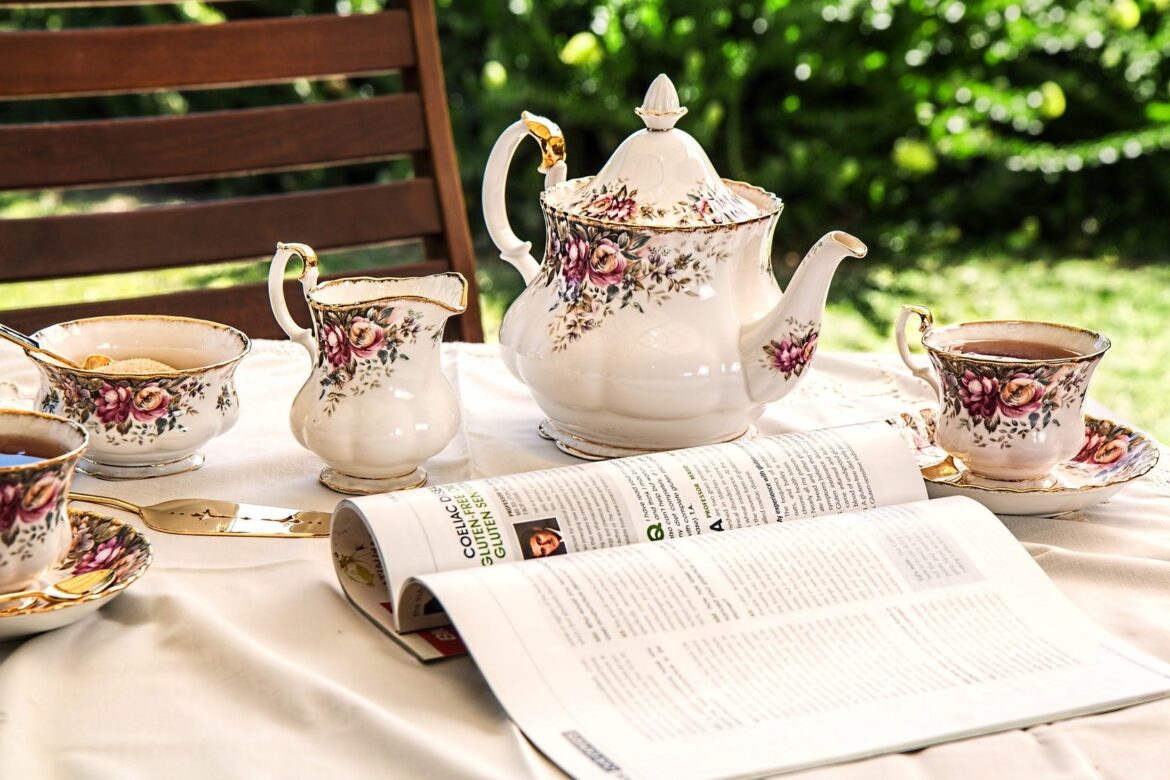
Afternoon tea is an elegant British tradition, originating in the nineteenth century, that allows for a mid-day break for a light snack and socializing with friends. We observe this ritual around four o’clock in the afternoon, when energy begins to wane, and a cup of hot milky tea helps energize us before dinner that evening. It’s a time for beautiful teaware, pleasant conversation, and enjoying sweet treats without the guilt of extra calories mid-week.
Tea selection is paramount, and we prefer quality loose-leaf blends like Earl Grey or English Breakfast, brewed in a porcelain teapot with an insulated liner. The tea should steep for at least five minutes to allow the full bouquet of aromas to develop before being poured into thin cups with fresh, hot milk added to taste. Tea bags are only used in extreme cases, as real tea requires space for the leaves to open in the hot water. Scones are a centerpiece at the table, served warm and cut lengthwise with a knife rather than broken by hand to preserve the texture and neat presentation. We bake them ourselves on weekends, using a recipe that uses generous amounts of butter and cream to achieve a soft interior and a light crust on the outside. Freshness is crucial, so scones are made the morning of tea or frozen for quick baking before guests arrive.
The debate over whether to spread clotted cream or jam first divides Devon and Cornwall, but in our house, we follow the Devon tradition of starting with the cream. Heavy cream is spread thickly over the warm half of the scone, creating a base for sweet strawberry jam, which is carefully spooned on top. The quality of the jam is also important, and we prefer homemade jam made with whole berries, bought at summer markets or homemade from seasonal fruit. Sandwiches are served on the bottom tier of the stand and should be miniature, with the crusts removed and delicate fillings such as cucumber, egg mayonnaise, or smoked salmon. White or whole-grain bread is used, sliced very thinly so that the fillings are vibrant without overpowering the tea and sweets on the upper tiers. These savory snacks balance the sugar and prepare the table for the sweet dishes that follow later in the meal.
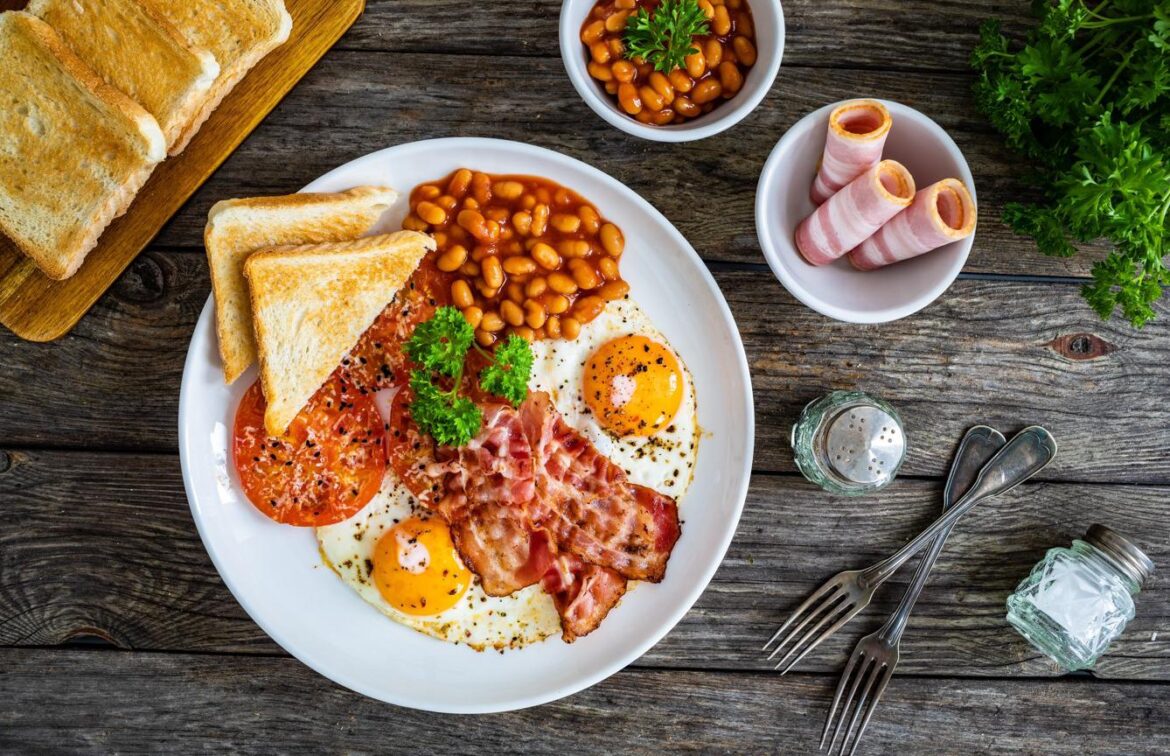
A full English breakfast is a legendary start to the weekend, requiring time, appetite, and the right ingredients to truly savor the flavors of Saturday. We take our time in the morning, indulging in the luxury of slowly cooking each component in a frying pan, savoring the aroma of crispy bacon and freshly ground coffee. This dish has become a symbol of British hospitality and a way to recover from a hard week or a Friday night at the pub.
Bacon is carefully selected, preferring back bacon over streaky, as it’s meatier and leaner, which suits our morning preferences. We fry it until crispy, but not overcooked, so it remains juicy and chews easily alongside the other ingredients on the plate. High-quality bacon from a local butcher always tastes better than supermarket bacon, a fact that’s noticeable even without additional seasonings and spices on the table. Sausages are the second star of the breakfast, and we prefer traditional Cumberland sausages with large chunks of meat and herbs over the low-quality, uniform mass. They are cooked slowly over medium heat to prevent the casing from bursting and ensure the meat inside is fully cooked and safe for human consumption. Sausages are often basted with a small amount of beer or cider during frying to add additional depth of flavor and aroma.
Eggs are prepared in various ways, but the classic is sunny-side up, with a runny yolk that serves as a natural sauce for dipping toast and mixing with beans on the plate. It’s important to avoid damaging the yolk when turning or removing from the pan, using a wide spatula and gentle movements. Some prefer scrambled or poached eggs, but fried eggs remain the most popular choice for a traditional full English breakfast in most homes. Black pudding may seem strange to foreigners, but for us, it’s a richly flavored delicacy, sliced thick and fried until lightly browned. It’s a blood sausage flavored with oatmeal and spices, adding a hearty and unique flavor to breakfast that’s hard to match with other products on the market. We buy it from trusted suppliers, as the quality of black pudding varies greatly depending on the manufacturer and recipe.
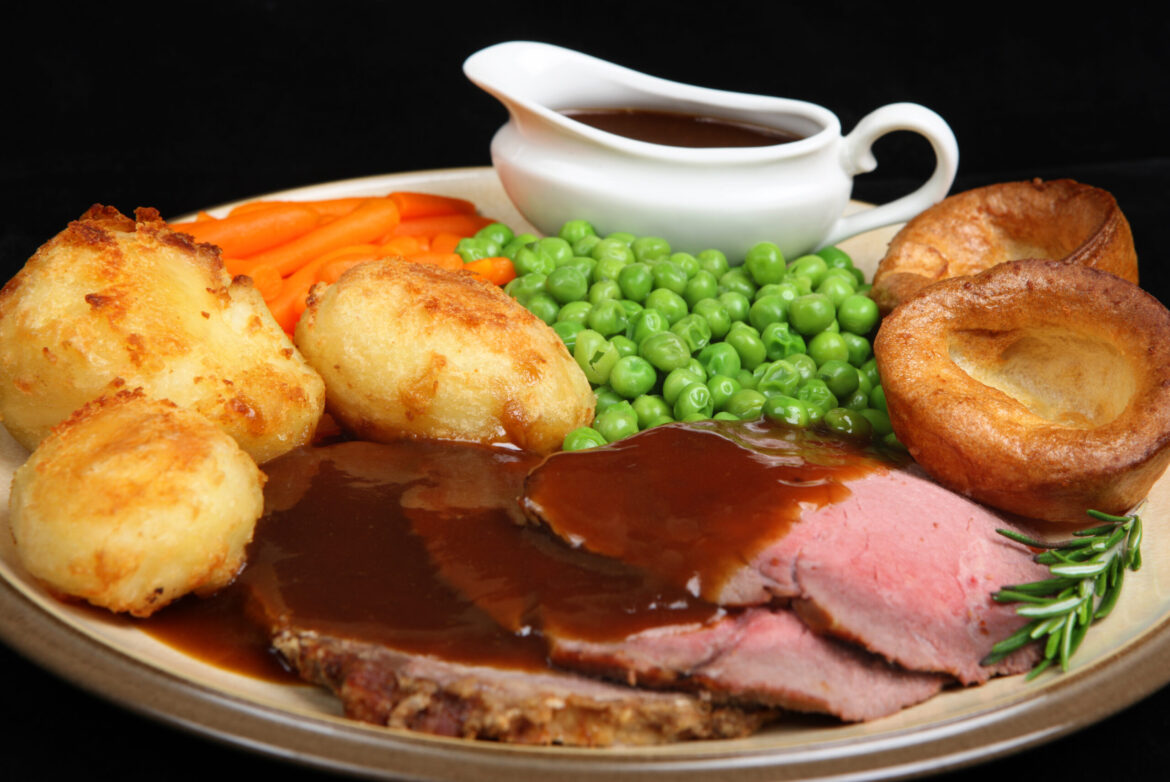
A Sunday roast is a sacred tradition for most British families, bringing generations together around the table after a busy week of work and school in the bustling city. The aroma of roasting meat wafting through the house early in the morning creates a sense of celebration and coziness that can’t be found in the most expensive restaurants in London or Manchester. We begin preparation early, selecting the best cut of beef or lamb from the local butcher on Saturday, allowing the meat to come to room temperature before cooking in the oven.
The choice of meat depends on family preference, but the classic rib roast is considered the king of Sunday dinners, requiring the correct roasting time per pound. It’s important not to overcook the meat, so we always use a meat thermometer to ensure it’s perfectly done—medium rare on the inside and golden brown on the outside. After baking, the meat should rest under foil for at least twenty minutes to allow the juices to distribute evenly throughout the grain before slicing with a sharp knife. Yorkshire pudding is an essential part of this dish, and the secret to its fluffiness lies in a well-rested batter made with equal parts eggs, flour, and milk. The baking dish should be heated in the oven with butter or beef tallow before you pour in the cold batter to ensure instant rise and crispness. These golden cups perfectly absorb the gravy, making each piece of meat juicy and rich with the flavor of a lovingly prepared meat stock.
Potatoes require a special approach, as the British appreciate a perfectly crisp exterior and a tender interior, achieved by pre-boiling the tubers. We cut them into large wedges, drop them in boiling water with baking soda for a few minutes to roughen the surface, and then fry them in goose fat until golden brown. This fat imparts a unique flavor and ensures that the potatoes remain crisp even half an hour after serving.
Seasonal vegetables play an important role in the balance of the dish, adding freshness and color to the plate alongside the heavy meat components of a Sunday lunch. In winter, we favor roasted carrots and parsnips with honey and thyme, while in summer, we choose fresh green beans or steamed broccoli to preserve vitamins. Buying vegetables at the farmers’ market on Saturday mornings ensures their freshness and supports local producers, which is essential for a sustainable approach to eating.