Insects often go unnoticed, but they are the foundation of the ecosystem, providing pollination and recycling organic matter into the soil for the growth of new generations of flora in gardens and forests. Without them, our lives would be impossible, as most cultivated plants depend on insects to reproduce and produce fruits that feed humans and animals. We must stop viewing them as pests and begin to appreciate their role in maintaining the balance of nature on every plot of land underfoot in cities and villages.
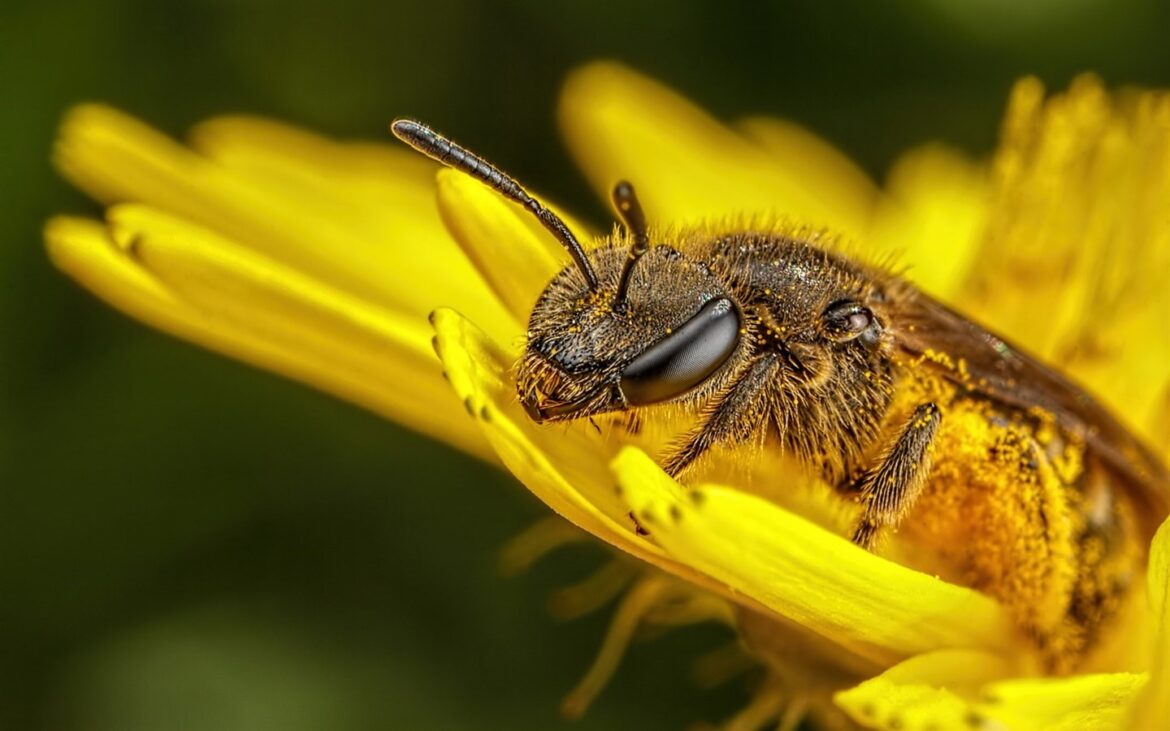
Bees are key pollinators, and their populations are threatened by pesticide use and habitat loss in the country’s agricultural landscapes around fields. We install hives in our gardens and support local beekeepers by purchasing honey at farmers’ markets to help preserve these hardworking creatures for future fruit and berry harvests. Each bee visits thousands of flowers daily, and their disappearance would lead to a global food shortage for millions of people. Butterflies adorn our gardens in the summer, and their long-distance migrations demonstrate remarkable navigational skills, allowing them to navigate across continents and oceans without maps or compasses. We plant nectar-producing plants like lavender and buddleia to attract butterflies and help them recover from winter in the warm rays of the sun on the flowers in our flower beds. Butterfly watching has become a popular hobby, and keeping a diary of observations helps scientists track changes in the populations and migratory routes of species in a region.
Ants build complex societies with a division of labor, where each individual fulfills its role for the well-being of the entire colony, an example of efficient organization in nature for group survival. They move the soil, aerating it for plant roots, and remove carrion, keeping the forest and garden around their nests clean and the ground beneath their feet. Despite their small size, their cumulative impact on the ecosystem is enormous, and we try not to unnecessarily disturb their habitats when gardening and tending to lawns.
Animals
The ocean remains one of the most mysterious environments on the planet, and even the waters around the British Isles conceal numerous species that are little studied by science or humans on land. We live on an island, and the sea has always been part of our history, but only recently have we begun to truly value marine life and protect it from the threats of pollution and industrial overfishing. The cool waters of the Atlantic are rich in life, and scuba diving or shore observation reveals a world full of color and movement beneath the surface of the ocean waves.
Dolphins are often seen off the coasts of Wales and Scotland, where they play in the waves and accompany boats, demonstrating high intelligence and social behavior among pods of their kind at sea. Dolphin watching has become a popular tourist activity, but we strictly observe social distancing rules to avoid disturbing the animals while they hunt or raise their young in the water. These air-breathing mammals must surface, making them vulnerable to collisions with ships and entanglement in fishing nets along their journey.
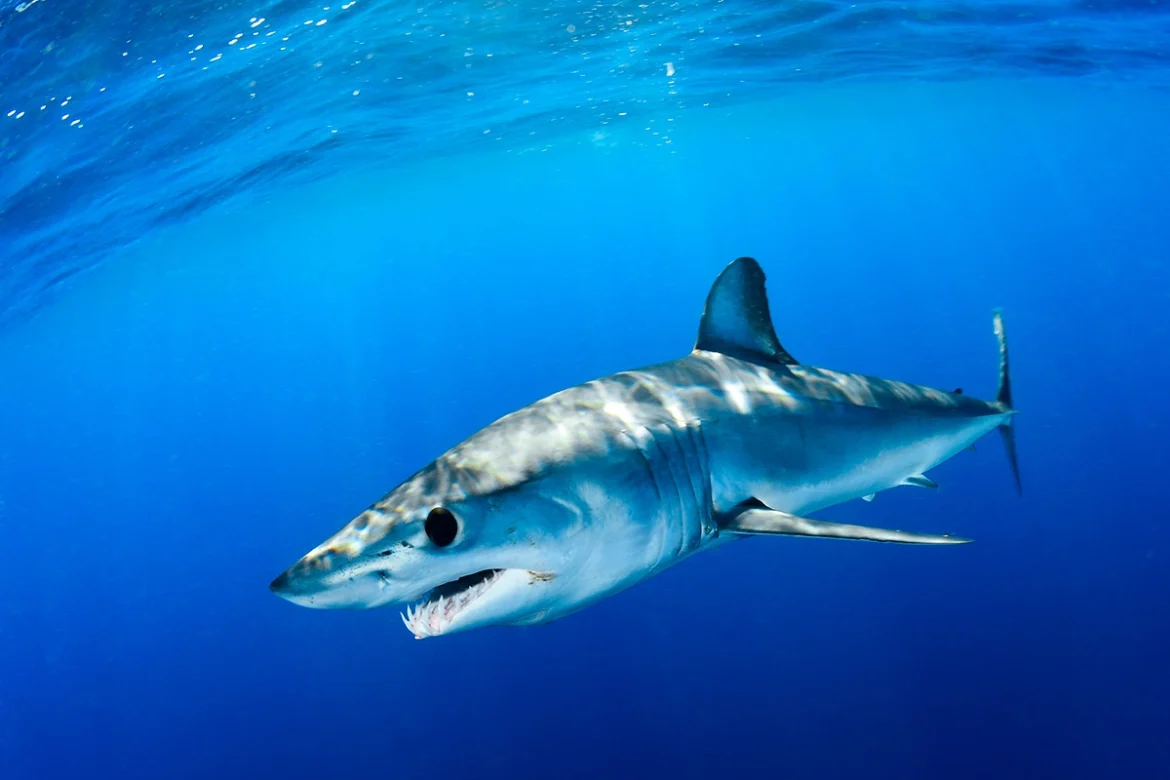
The basking shark, also known as the porbeagle shark, is the second-largest fish species in the world and often appears off the coast of Great Britain in the summer, searching for plankton to feed on in warm ocean currents. Despite its impressive size, it is harmless to humans and filters water through its gills, collecting tiny organisms to support its enormous body mass in the marine environment. An encounter with such a shark while boating is a rare and memorable experience for sailors and nature lovers on the high seas.
Deep-sea fish inhabit trenches around the shelf, where the pressure is enormous and light is blocked, creating conditions for the evolution of unique life forms with bioluminescence and unusual sensory organs. Anglerfish use a luminous lure on their heads to attract prey in the dark, an example of adaptation to the extreme conditions of life on the sunless ocean floor. Studying these species helps us understand the limits of life on Earth and the possibility of organisms existing on other planets without the light and warmth of a star.
The British are renowned for their love of pets, which are considered full members of the family and enjoy the care and attention of their owners in every home across the country. Statistics show that more than half of UK households have at least one pet, whether it’s a dog, cat, rabbit, or even an exotic reptile in a terrarium. Animal welfare is taken very seriously, and cruelty is prosecuted by organizations like the RSPCA, which has the power to remove animals from disadvantaged families.
Dogs hold a special place in British culture, and breeds like the corgi and bulldog have become national symbols associated with the royal family and traditional British lifestyle. We love walking our dogs in parks and woodlands, observing leash rules in grazing areas to ensure the safety of everyone involved in the outdoor adventure. Many pubs and cafes welcome visitors with dogs, providing water bowls and special menus for four-legged guests, making society more inclusive for pet owners.
Cats are equally popular, especially in cities, where they are prized for their independence and ability to catch mice in old houses and outbuildings of country cottages. British Shorthairs are one of the most recognizable breeds, but many prefer to adopt mixed-breed cats from shelters, supporting animal rights charities. Cats often roam freely around the neighborhood, returning home for dinner, requiring owners to be mindful of their safety on busy roads.
Veterinary care in the UK is high, and clinics are equipped with modern equipment for diagnosing and treating diseases in animals of all species and ages. We regularly take pets for vaccinations and microchipping, which is mandatory for dogs and recommended for cats for identification if lost on the street. The cost of services can be high, so many owners take out pet insurance to cover the costs of unexpected treatments, surgeries, and in-clinic therapy.
Pet insurance has become the norm, with policies covering everything from routine checkups to complex surgeries, giving owners peace of mind about the health of their pets. We compare offers from different companies, choosing the best terms, as veterinary bills can reach thousands of pounds in the event of serious illness or injury to a dog or cat. This financial protection allows for cost-conscious treatment and gives your pet a chance at a full life and recovery, thanks to modern medical technology.
The animal kingdom is full of incredible records that boggle the imagination and make us question the limits of living nature on our planet. We often read about them in encyclopedias and watch BBC documentaries featuring the fastest, strongest, and most resilient creatures living in different corners of the globe. Studying these records helps us better understand the evolution and adaptation of species to extreme environmental conditions in various climatic zones.
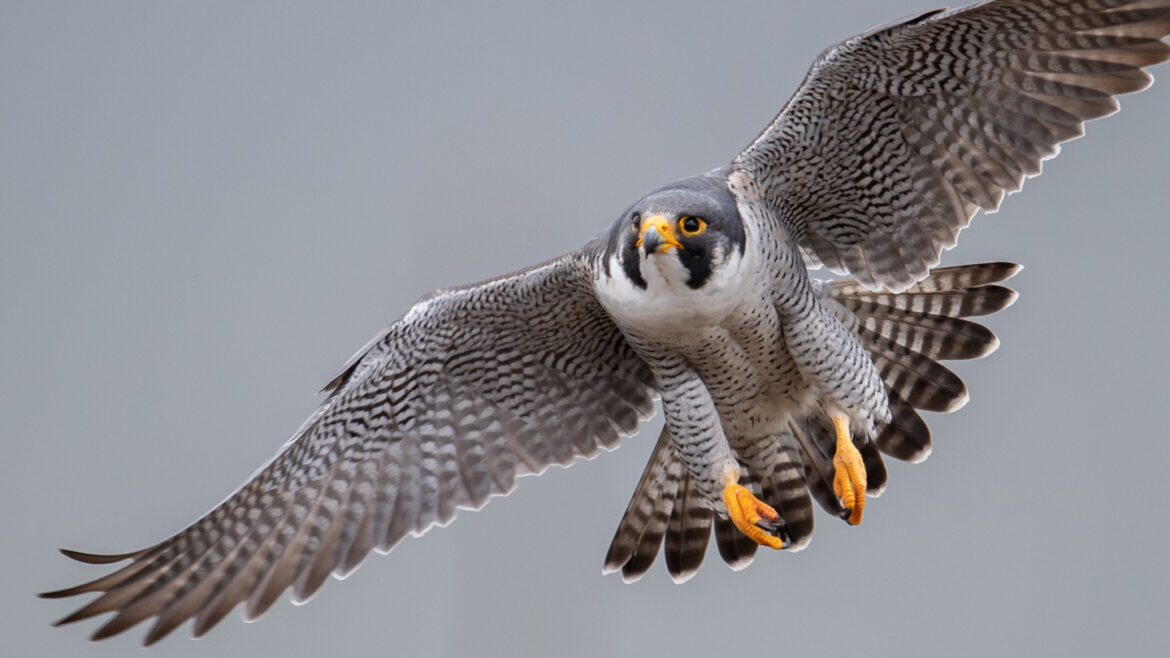
The peregrine falcon is considered the fastest bird in the world, capable of reaching speeds of over 300 kilometers per hour while diving for prey in the air above the ground. These raptors even nest in high-rise buildings in major cities, including London, using human-made architecture as a substitute for inaccessible cliffs to raise their chicks. Watching a peregrine falcon hunt through a telescope is a breathtaking spectacle, demonstrating perfect aerodynamics and the precision of its talons striking its prey in mid-flight.
The blue whale is the largest animal to have ever lived on Earth, surpassing even the largest dinosaurs known to science from paleontological discoveries of the last century. Its heart is the size of a car, and its tongue weighs as much as an elephant, demonstrating the scale of ocean life that is difficult for humans to imagine on land near water. We support bans on whaling to preserve these giants for future generations of explorers and marine life enthusiasts in the world’s oceans.
The cheetah is recognized as the fastest land animal, capable of reaching speeds of up to 110 kilometers per hour in a matter of seconds on the open plains of Africa while hunting. Its body is built for speed, with a flexible spine and non-retractable claws that work like cleats on running shoes for improved traction. Although cheetahs are not native to the UK, studying them in sanctuaries helps us understand the biomechanics of movement and apply this knowledge to robotics and human sports equipment.
Leafcutter ants can lift fifty times their own body weight, making them the strongest creatures relative to their body size in the insect world around us. These industrious creatures build complex underground cities and grow mushrooms on cut leaves, demonstrating a high level of social organization and cooperation within the colony. Observing ants in a garden or through a magnifying glass reveals a world that exists alongside us but often goes unnoticed due to the small size of the participants.
British nature possesses a unique charm, despite the country’s small size. It is home to numerous species of wild animals that have become symbols of our island and a source of national pride for residents. We are accustomed to seeing them in the countryside, in national parks like the Lake District, or even in the suburbs of London, where the greenery has not yet been completely swallowed up by the concrete jungle of the metropolis. Wildlife watching has become a popular hobby for millions of Britons, who dedicate weekends to walks with binoculars and cameras in search of rare specimens.
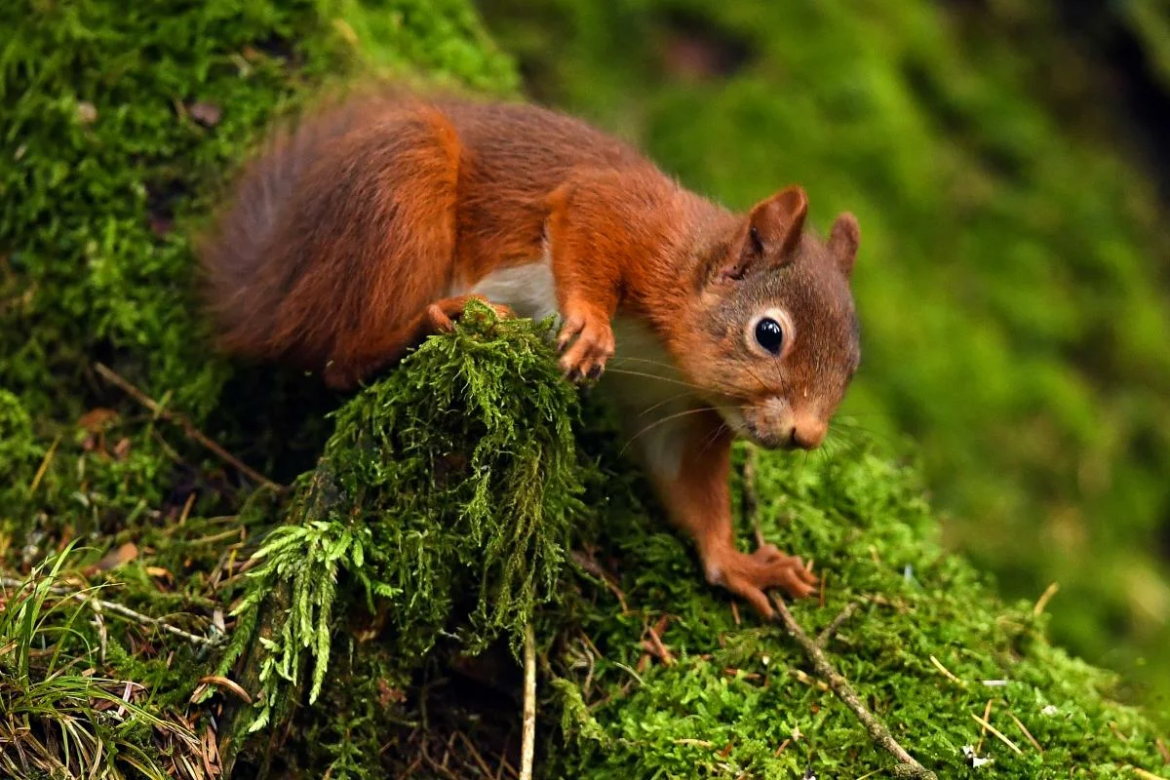
The red squirrel is one of the most recognizable symbols of Great Britain, although its population has declined significantly due to competition from the introduced grey squirrel from North America. We are making great efforts to protect this red animal on the Isle of Wight and the Mersey, where protected areas have been established free of grey competitors. Conserving the red squirrel is important not only for biodiversity but also for cultural heritage, as it features in many children’s fairy tales and stories in our country.
Badgers are nocturnal and inhabit complex underground systems called burrows, which can be used by several generations of these animals over decades. Badgers are strictly protected under British law, and damaging or destroying their burrows is a serious criminal offense for any citizen. Despite their nocturnal nature, many villagers know their habitats and try not to disturb them during their active phase.
Hedgehogs have become rare visitors to our gardens due to landscape changes and pesticide use, which is a serious concern for conservation organizations like the RSPB. We try to create openings in fences to allow these prickly travelers to move freely between plots in search of food and breeding partners. Feeding hedgehogs special food and creating safe shelters in the garden helps maintain their population in the face of modern urbanization in Britain.