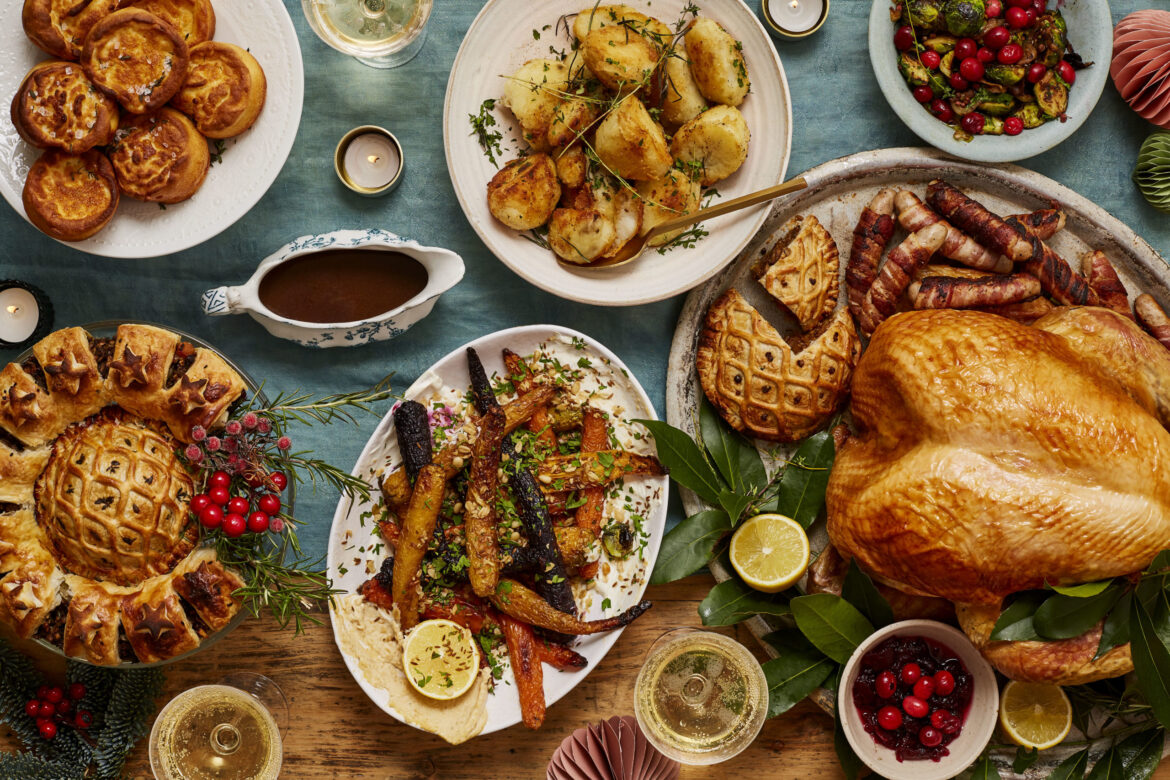
Christmas dinner is the highlight of the year for British families, requiring months of planning, shopping, and preparing ingredients to create the perfect festive table at the end of December. We begin planning the menu in the fall, ordering frozen turkeys in advance to ensure we have the right size bird for the number of guests we’ll be inviting to our home for the holiday. This occasion brings generations together, as grandparents, parents, and children gather to celebrate the end of the year and the beginning of a new life.
The turkey is slow-roasted in the oven, often with the stuffing inside or separately, to ensure the meat remains juicy and tender, and the skin crisp and golden by the time it’s served. We use a temperature probe to prevent the breast from drying out, and regularly baste the bird with the pan juices during the roasting process to maintain the moisture and flavor of the meat during the long cooking process. Bird sizes are calculated based on a pound per person, plus extra to ensure everyone has enough leftovers for sandwiches the day after the holiday. Sage and onion stuffing is classic, but we often add chestnuts and sausage meat for a richer flavor that pairs well with the turkey and gravy at the table. We prepare some of the stuffing separately in a roasting pan to ensure it cooks thoroughly and is safe to eat, as the stuffing inside the bird can cook unevenly at different times and temperatures. The aroma of herbs fills the house on Christmas Eve, building anticipation and recalling traditions of yesteryear and childhood memories of kitchen smells.
Pigs in blankets are sausages wrapped in bacon, a must-have side dish on the Christmas table, loved by both children and adults for their salty and meaty flavor. We buy high-quality mini-sausages and thin bacon to ensure the proportions are just right, and roast them alongside the turkey so they infuse with the flavors of the bird and fat as they cook in the oven. This simple dish is always the first to disappear from the table, so we prepare them in large quantities to satisfy the appetites of everyone at the table.
Recipes
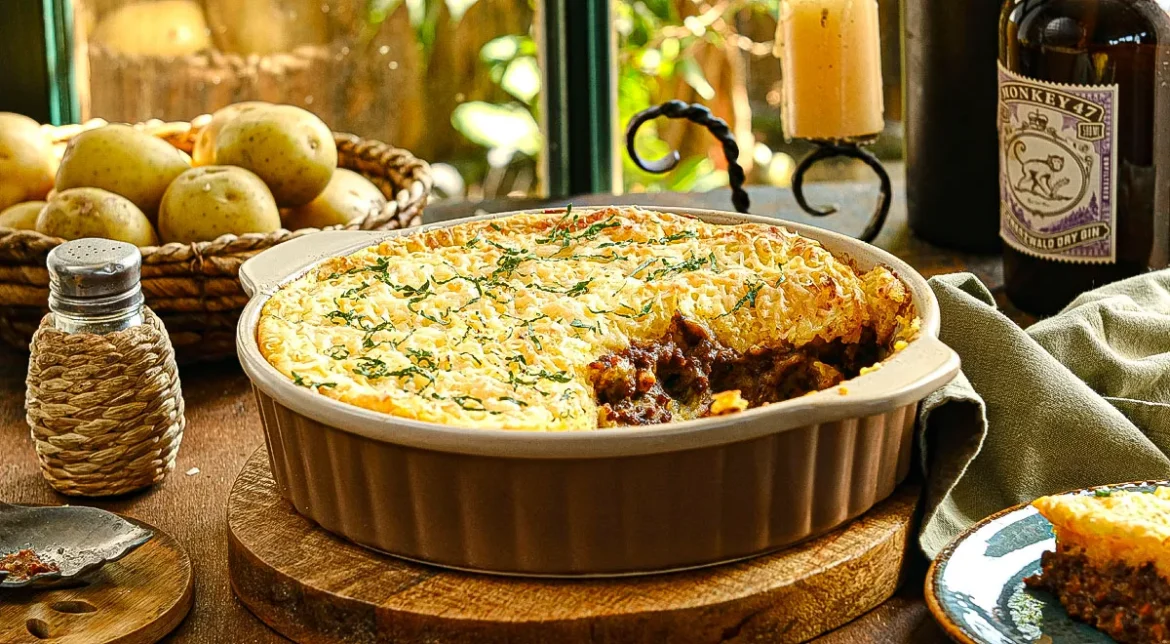
Shepherd’s pie is the perfect dish for a rainy British evening, when the wind howls outside and you want to warm up with something hearty and hot from the oven. The name comes from the use of lamb in the traditional recipe, although the beef version is technically called cottage pie, but we often don’t make the distinction in everyday life. This dish evokes childhood memories, the comfort of home, and the care of a mother who always knew how to feed her family deliciously and inexpensively during the cold season.
The meat filling is made from minced meat, pan-fried until browned, with onions, carrots, and celery added to create a base of flavor and vegetable aroma. We use Worcestershire sauce and tomato paste for depth of flavor, along with a splash of red wine, which evaporates, leaving a pleasant acidity and rich bouquet in the gravy inside the pie. The mince shouldn’t be too dry, so we add a little broth to keep the filling moist after baking in the oven at a high temperature.
The mashed potatoes are prepared especially carefully, with plenty of butter and warm milk, to ensure they are fluffy and spread evenly over the meat layer. We use potatoes with a high starch content, which absorb the butter better and produce a fluffy, lump-free texture after being pressed through a press or masher. The mashed potatoes should be generously salted and peppered, as this is the top layer that first hits your tongue when you bite into the pie with a fork.
The pie is assembled in a deep ceramic dish, where the meat filling is placed on the bottom, and a layer of mashed potatoes is carefully spread on top with a spoon or pastry bag for decoration. We often swirl the surface of the mashed potatoes with a fork to create crisp scallops during baking, contrasting with the soft texture inside and adding visual appeal to the dish. The pan should be filled to the brim so the pie looks generous and appetizing when served directly at the table as the centerpiece of dinner.
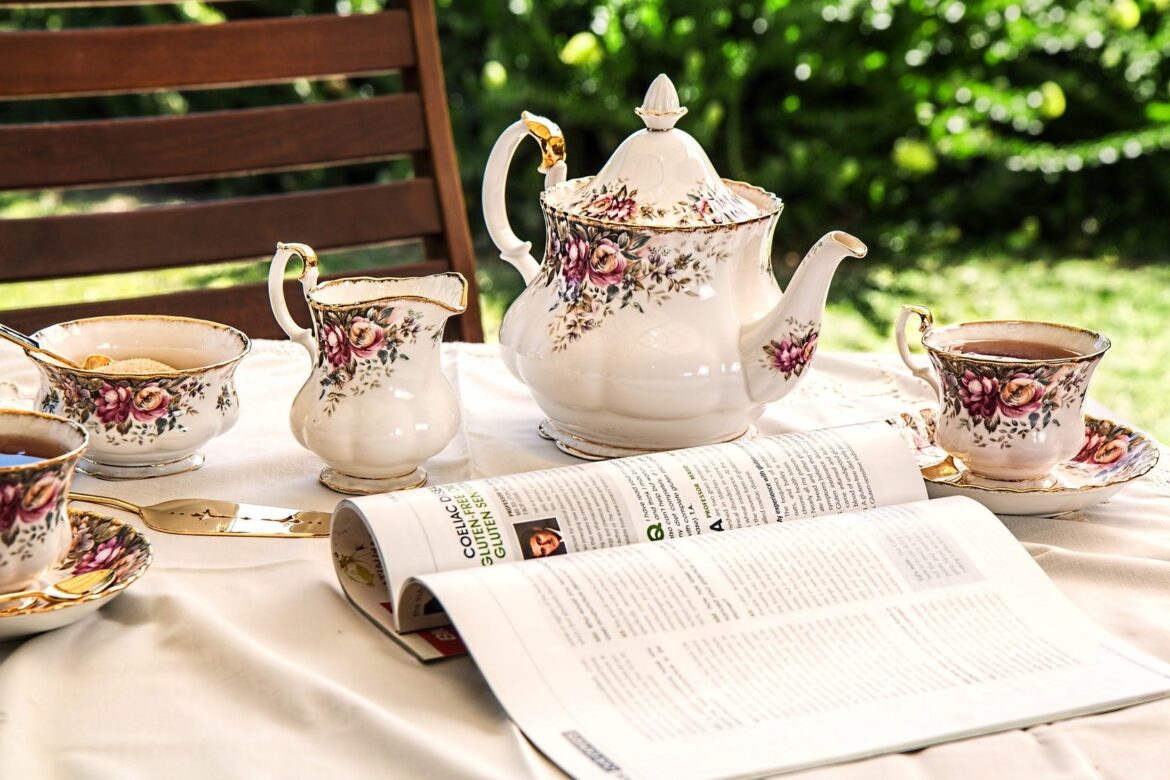
Afternoon tea is an elegant British tradition, originating in the nineteenth century, that allows for a mid-day break for a light snack and socializing with friends. We observe this ritual around four o’clock in the afternoon, when energy begins to wane, and a cup of hot milky tea helps energize us before dinner that evening. It’s a time for beautiful teaware, pleasant conversation, and enjoying sweet treats without the guilt of extra calories mid-week.
Tea selection is paramount, and we prefer quality loose-leaf blends like Earl Grey or English Breakfast, brewed in a porcelain teapot with an insulated liner. The tea should steep for at least five minutes to allow the full bouquet of aromas to develop before being poured into thin cups with fresh, hot milk added to taste. Tea bags are only used in extreme cases, as real tea requires space for the leaves to open in the hot water. Scones are a centerpiece at the table, served warm and cut lengthwise with a knife rather than broken by hand to preserve the texture and neat presentation. We bake them ourselves on weekends, using a recipe that uses generous amounts of butter and cream to achieve a soft interior and a light crust on the outside. Freshness is crucial, so scones are made the morning of tea or frozen for quick baking before guests arrive.
The debate over whether to spread clotted cream or jam first divides Devon and Cornwall, but in our house, we follow the Devon tradition of starting with the cream. Heavy cream is spread thickly over the warm half of the scone, creating a base for sweet strawberry jam, which is carefully spooned on top. The quality of the jam is also important, and we prefer homemade jam made with whole berries, bought at summer markets or homemade from seasonal fruit. Sandwiches are served on the bottom tier of the stand and should be miniature, with the crusts removed and delicate fillings such as cucumber, egg mayonnaise, or smoked salmon. White or whole-grain bread is used, sliced very thinly so that the fillings are vibrant without overpowering the tea and sweets on the upper tiers. These savory snacks balance the sugar and prepare the table for the sweet dishes that follow later in the meal.
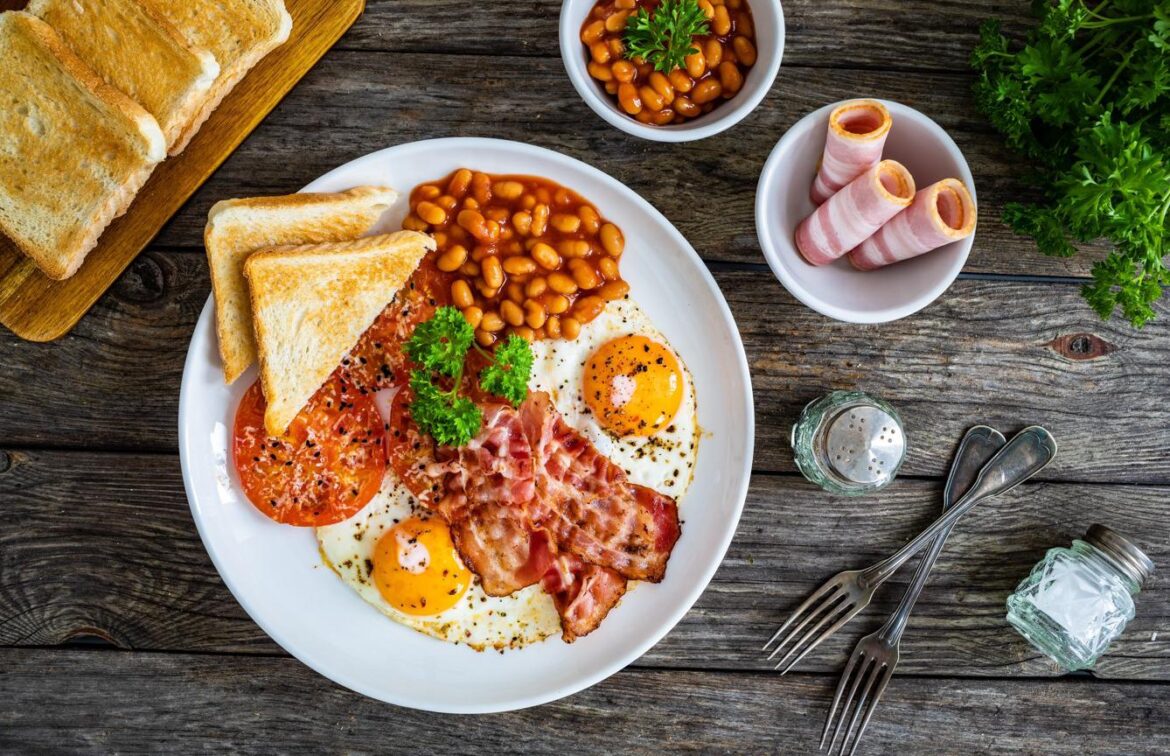
A full English breakfast is a legendary start to the weekend, requiring time, appetite, and the right ingredients to truly savor the flavors of Saturday. We take our time in the morning, indulging in the luxury of slowly cooking each component in a frying pan, savoring the aroma of crispy bacon and freshly ground coffee. This dish has become a symbol of British hospitality and a way to recover from a hard week or a Friday night at the pub.
Bacon is carefully selected, preferring back bacon over streaky, as it’s meatier and leaner, which suits our morning preferences. We fry it until crispy, but not overcooked, so it remains juicy and chews easily alongside the other ingredients on the plate. High-quality bacon from a local butcher always tastes better than supermarket bacon, a fact that’s noticeable even without additional seasonings and spices on the table. Sausages are the second star of the breakfast, and we prefer traditional Cumberland sausages with large chunks of meat and herbs over the low-quality, uniform mass. They are cooked slowly over medium heat to prevent the casing from bursting and ensure the meat inside is fully cooked and safe for human consumption. Sausages are often basted with a small amount of beer or cider during frying to add additional depth of flavor and aroma.
Eggs are prepared in various ways, but the classic is sunny-side up, with a runny yolk that serves as a natural sauce for dipping toast and mixing with beans on the plate. It’s important to avoid damaging the yolk when turning or removing from the pan, using a wide spatula and gentle movements. Some prefer scrambled or poached eggs, but fried eggs remain the most popular choice for a traditional full English breakfast in most homes. Black pudding may seem strange to foreigners, but for us, it’s a richly flavored delicacy, sliced thick and fried until lightly browned. It’s a blood sausage flavored with oatmeal and spices, adding a hearty and unique flavor to breakfast that’s hard to match with other products on the market. We buy it from trusted suppliers, as the quality of black pudding varies greatly depending on the manufacturer and recipe.
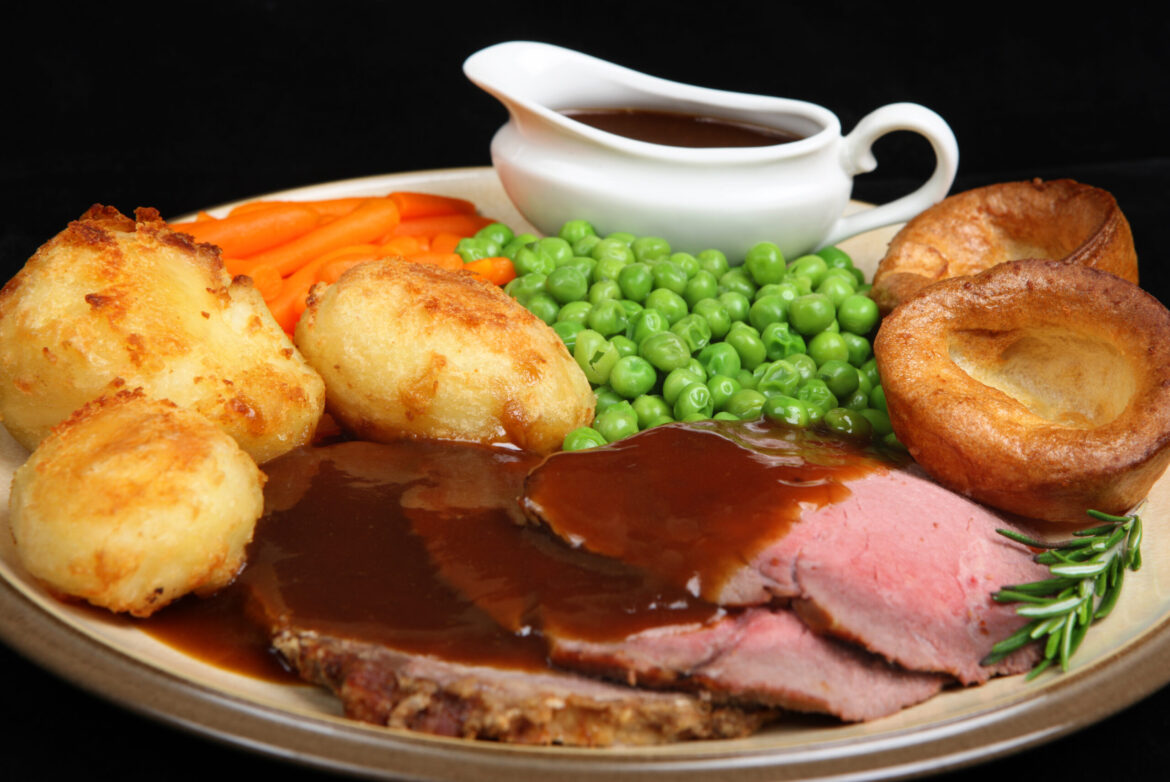
A Sunday roast is a sacred tradition for most British families, bringing generations together around the table after a busy week of work and school in the bustling city. The aroma of roasting meat wafting through the house early in the morning creates a sense of celebration and coziness that can’t be found in the most expensive restaurants in London or Manchester. We begin preparation early, selecting the best cut of beef or lamb from the local butcher on Saturday, allowing the meat to come to room temperature before cooking in the oven.
The choice of meat depends on family preference, but the classic rib roast is considered the king of Sunday dinners, requiring the correct roasting time per pound. It’s important not to overcook the meat, so we always use a meat thermometer to ensure it’s perfectly done—medium rare on the inside and golden brown on the outside. After baking, the meat should rest under foil for at least twenty minutes to allow the juices to distribute evenly throughout the grain before slicing with a sharp knife. Yorkshire pudding is an essential part of this dish, and the secret to its fluffiness lies in a well-rested batter made with equal parts eggs, flour, and milk. The baking dish should be heated in the oven with butter or beef tallow before you pour in the cold batter to ensure instant rise and crispness. These golden cups perfectly absorb the gravy, making each piece of meat juicy and rich with the flavor of a lovingly prepared meat stock.
Potatoes require a special approach, as the British appreciate a perfectly crisp exterior and a tender interior, achieved by pre-boiling the tubers. We cut them into large wedges, drop them in boiling water with baking soda for a few minutes to roughen the surface, and then fry them in goose fat until golden brown. This fat imparts a unique flavor and ensures that the potatoes remain crisp even half an hour after serving.
Seasonal vegetables play an important role in the balance of the dish, adding freshness and color to the plate alongside the heavy meat components of a Sunday lunch. In winter, we favor roasted carrots and parsnips with honey and thyme, while in summer, we choose fresh green beans or steamed broccoli to preserve vitamins. Buying vegetables at the farmers’ market on Saturday mornings ensures their freshness and supports local producers, which is essential for a sustainable approach to eating.