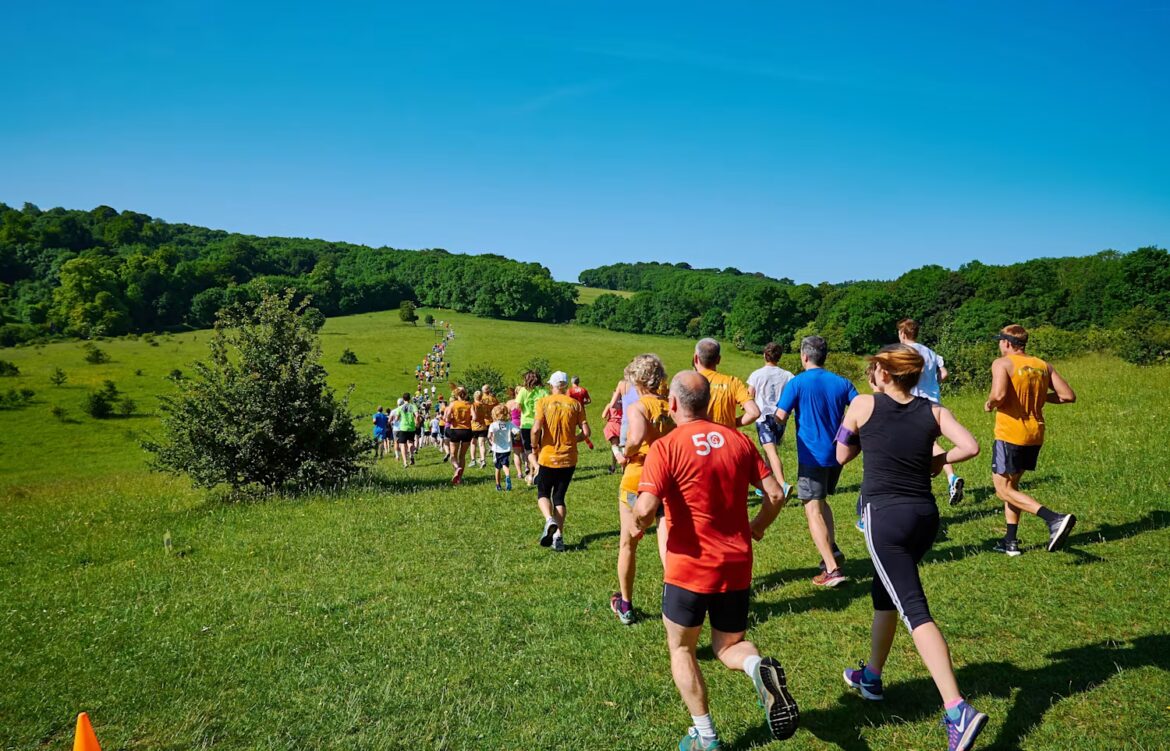
Parkrun has become a phenomenon in the UK, bringing together thousands of people every Saturday morning for a free 5k run in local parks across the country. We participate not only for the sport, but also for the socializing, volunteering, and sense of belonging to a community of active people in the city. It’s an accessible way to start running, as the atmosphere is supportive and welcoming for beginners of all skill levels and ages.
City parks like Hyde Park in London or Holyrood in Edinburgh provide space for running, yoga, and outdoor play in the heart of the city. We use these green spaces to escape the concrete and noise, finding peace and movement close to home or work in the city. Access to nature is important for mental health, and we value the availability of such spaces for relaxation and activity in the dense urban fabric of the UK. Weekends are dedicated to hiking in the countryside, where we explore the Peak District or Lake District trails to strengthen our legs and spirit in the fresh air of nature. Hiking allows us to disconnect from technology and immerse ourselves in the beauty of the landscapes that make Britain unique and appealing to tourists and locals alike. We pack backpacks with a thermos of tea and sandwiches to enjoy a hilltop picnic after the climb and a well-deserved rest in the quiet of the fields.
Cycling routes are developing, and we use national cycle tracks for safe, long-distance rides through the countryside’s villages and fields. It’s a way to see the country slowly, noticing landscape and architectural details that are missed by car or train. Cycling becomes a tool for exploration and fitness, combining transport and sport in a single action for the benefit of health and the planet’s ecology.
Running clubs offer structure and support as we train in a group under the guidance of experienced coaches to improve running technique and endurance. This motivates you to train on dark evenings, knowing your group is waiting for you and you’ll run the distance together safely on the route. The friendships that form on runs often extend beyond the sport, creating social bonds and a network of friends for club members in the city.
Fitness
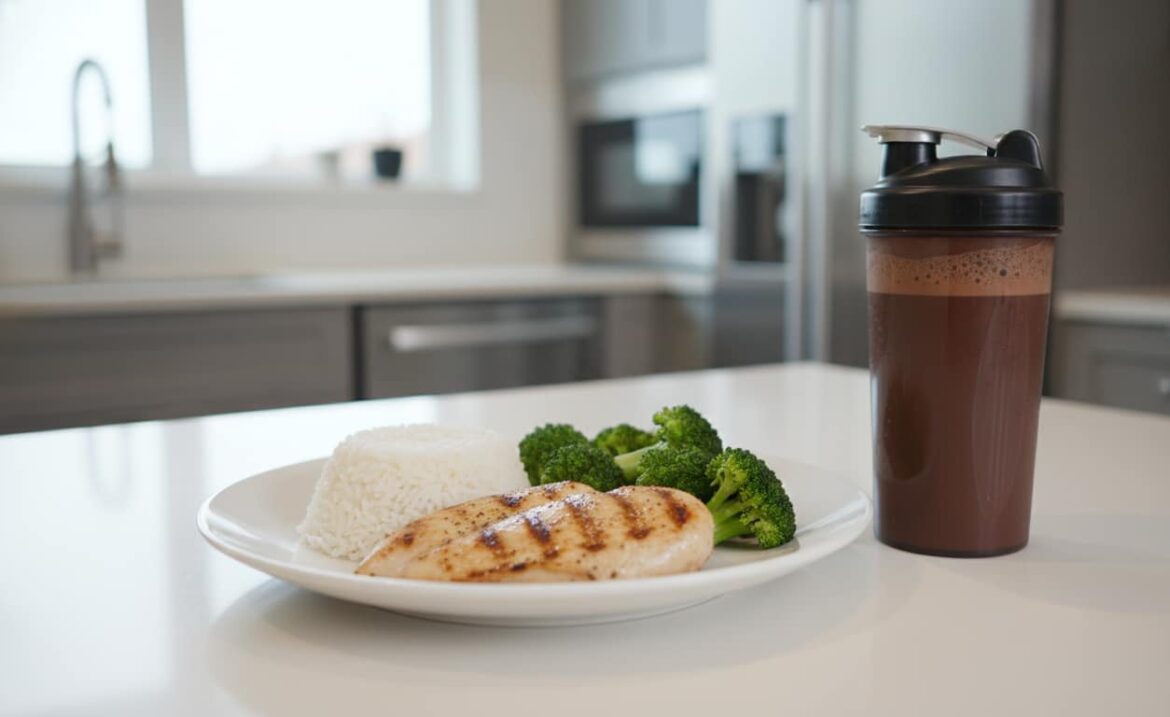
Post-workout nutrition plays a critical role in recovery, and we strive to balance protein and carbohydrates to replenish energy after a workout at the gym or at home. British cuisine is rich in hearty dishes, but we adapt traditional recipes, reducing fat and increasing the proportion of vegetables in our plates for health benefits. This allows us to enjoy favorite flavors, like shepherd’s pie, but in a lighter version that supports fitness goals and body composition.
Supermarkets offer a wide variety of healthy products, and we use healthy ranges from chains like Tesco and Sainsbury’s to purchase high-quality ingredients for meals. Reading labels becomes a habit to monitor the sugar and salt content of the foods we buy for meal prep. This mindful consumption helps us avoid hidden calories and maintains energy balance for intense training and muscle recovery. Hydration is important, and although tea is the national drink, we pay attention to our water intake, especially during intense exercise and hot summer weather. We carry reusable water bottles with us to sip throughout the day and rehydrate after sweating during workouts. It’s a simple habit that improves well-being and helps the body function efficiently to support high activity levels and a healthy metabolism.
Alcohol is a part of social life, but we practice moderation, choosing alcohol-free days to improve sleep quality and recovery after workouts during the week. Friday pints at the pub remain a tradition, but we limit the number of glasses and choose lower-calorie options for an evening with friends. It’s a balance between social activity and health that allows us to enjoy life without sacrificing fitness results or body shape.
Meal prep for the weekend saves time during the week, and we dedicate Sundays to chopping vegetables and preparing protein-rich meals for work lunchboxes. This ensures we have healthy food on hand when we don’t have time to cook after a long day at the office or in the city. Meal prep reduces the risk of ordering unhealthy takeout and helps us control portions and meal composition to maintain weight and energy.
British weather is notoriously fickle, and grey skies often become the ultimate excuse for skipping a workout at the gym or outside in the park. We must develop mental resilience to not let rain or wind dictate our training schedule and fitness plan. This is a challenge that requires preparation and the right mindset, as the UK climate rarely blesses us with long periods of sunny, warm weather suitable for exercise.
The winter months bring early twilight, with darkness falling as early as 4 p.m., reducing the desire to go for a run after work in the dark streets. We use reflective gear and headlamps for safety, but also consider moving training to the morning hours or indoors. This requires discipline, as getting up in the dark is more challenging in winter, but the benefits are worth the effort for maintaining health during the cold season. Proper gear is key to comfort, and we invest in high-quality waterproof jackets and shoes for outdoor workouts in any rainy weather. British outdoor brands offer excellent solutions that protect against moisture and wind, allowing us to exercise without the risk of catching a cold or feeling uncomfortable. We don’t wait for the perfect day, but adapt to the conditions, understanding that movement is important no matter what’s happening outside.
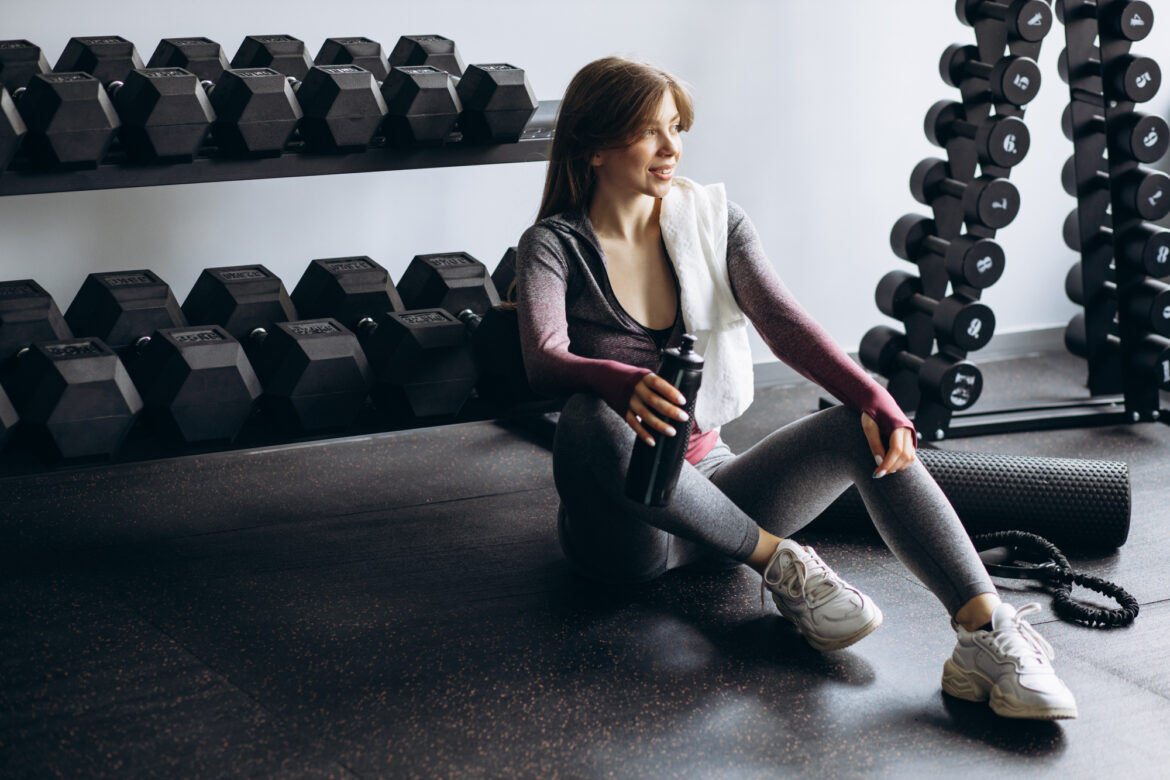
The choice between home workouts and the gym depends on the season, and in winter, we often prefer indoor facilities to avoid slippery surfaces and the cold outside. A gym membership becomes an investment in consistency, as having a schedule and a paid service motivates us not to miss classes unnecessarily. We choose gyms along our commute from work to minimize barriers and simplify the logistics of attending workouts on weekdays.
Vitamin D deficiency is a common problem in the UK, and we take supplements as recommended by the NHS to support our immunity and mood in winter. Physical activity outdoors, even on cloudy days, helps us get natural light, which is important for circadian rhythms and mental health. We try to go outside at lunchtime to capture the maximum amount of available light to balance hormones and energy in the body.
A sedentary lifestyle is a common problem in British offices, particularly in London, where employees spend hours in front of computers in high-rise buildings in the City and Canary Wharf. We recognize the health risks associated with physical inactivity and strive to incorporate activity into the workday to compensate for the lack of movement during eight-hour shifts. This requires awareness and planning, as workloads often consume all our time, leaving little opportunity for self-care throughout the day.
Lunch breaks are used not only for eating but also for a walk in a nearby park or square to stretch your legs and get some fresh air. Even a twenty-minute walk helps recharge the brain and improve concentration in the afternoon, which increases overall productivity. We prefer to pack a lunchbox to give ourselves more time for a walk rather than queuing for sandwiches at local cafes near the office. Stairs are becoming an alternative to elevators, and many office buildings encourage this by placing motivational stickers on elevator doors encouraging people to take the stairs. Walking up a few floors is an excellent cardio exercise that doesn’t require any extra time and fits into the regular route between company floors. We compete with colleagues to see how many floors we climb, turning our routine into a friendly competition for health and endurance.
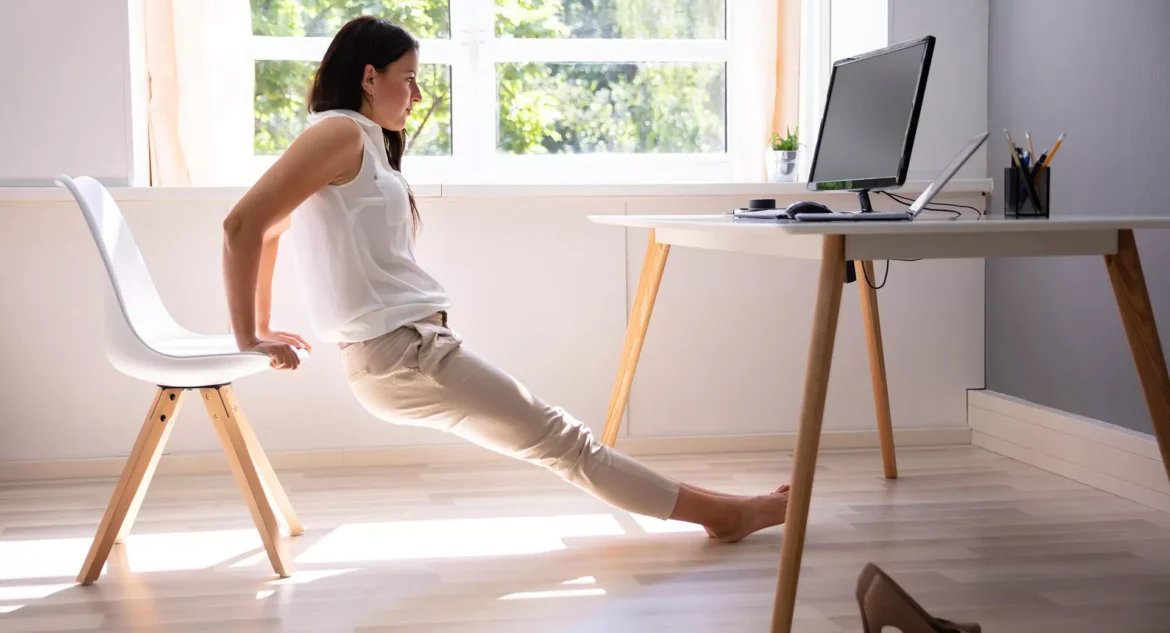
Exercises at our desks include simple neck, shoulder, and back stretches that can be performed discreetly right in our office chairs. We pause every hour to stand and stretch, releasing muscle tension that accumulates from sitting in front of a computer monitor for long periods of time. This prevents back and neck pain, a common complaint among office workers in the UK when they visit doctors and physiotherapists. Hydration requires attention, as British tea drinking culture can lead to excess caffeine, so we try to drink more pure water throughout the day. We place a bottle of water on our desk as a reminder and drink it before lunch before refilling to stay hydrated. This helps control appetite and improves metabolism, which is important for weight management while sitting in air-conditioned offices.
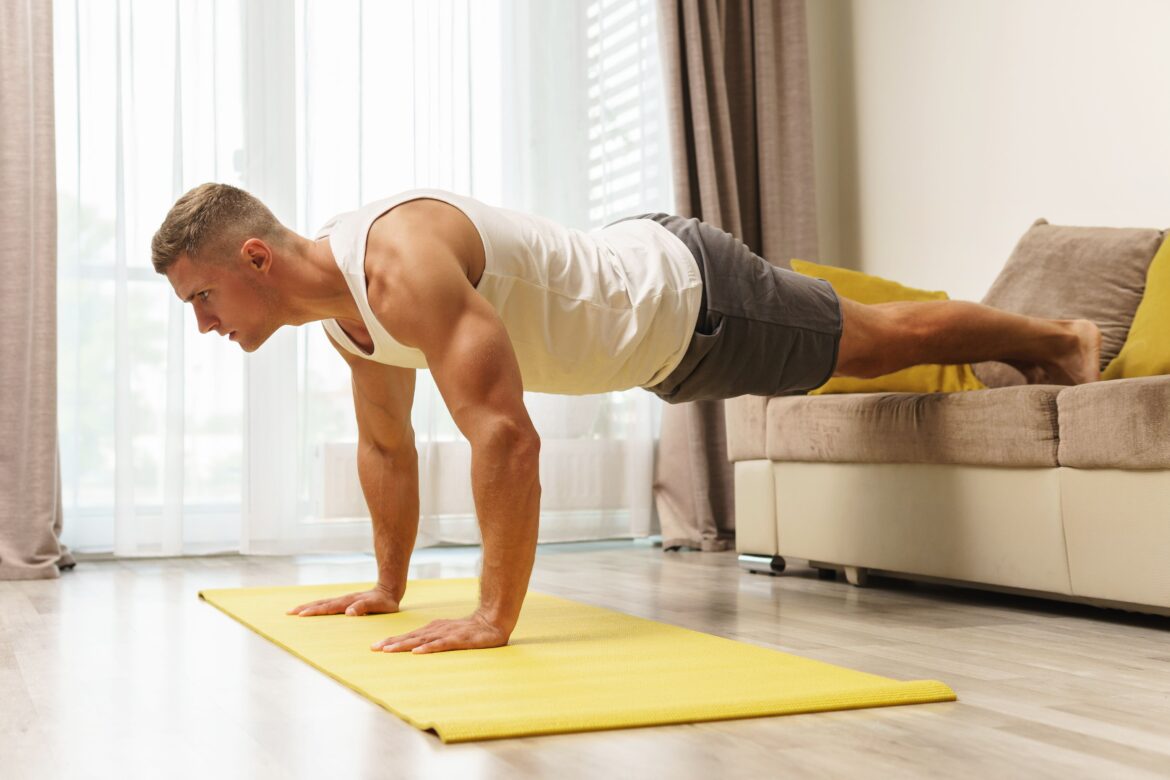
Living in a typical British apartment or townhouse often comes with limited space, requiring creative approaches to organizing home workouts without compromising effectiveness. Many of us live in Victorian homes with high ceilings but small rooms, where every square meter counts, so it’s important to utilize the space as efficiently as possible for physical activity. We’ve become accustomed to adapting to the conditions, turning the living room into a gym for an hour, removing coffee tables, and pushing sofas against the walls to make room for a mat.
Soundproofing in older British homes often leaves much to be desired, so we must consider our neighbors downstairs when choosing exercises, avoiding jumping and slamming our feet on the floor in the evening. Instead of burpees or jumping rope, we choose low-impact cardio exercises like marching in place or yoga, which won’t elicit complaints from neighbors through the wall. This requires discipline and respect for the community in which we live, maintaining good relationships with our neighbors, and focusing on our health.
Minimalism in equipment is a key factor in success, as storing bulky exercise equipment in a small apartment is simply impossible. We use resistance bands, lightweight kettlebells, and foldable mats that easily fit into a closet or under the bed after finishing a workout. This approach allows us to stay in shape without cluttering our living space, which is especially important for Londoners, where rent is expensive and space is at a premium.
Online resources have become a lifesaver during the pandemic, and projects like PE with Joe by Joe Wicks have become a national treasure, uniting the nation in front of their TV screens. We follow video tutorials designed specifically for home use, using only bodyweight and minimal equipment to achieve results. This creates a sense of community, even when we’re working out alone on our living room mat, knowing that thousands of other Brits are doing the same. Consistency is more important than intensity, and we try to set aside a fixed time for training, such as early morning before work or evening after returning from the office. British weather is often uninviting for walks, especially in winter, so home workouts become a reliable alternative, unaffected by rain or wind outside. We set reminders in our calendars and treat these times like an important meeting that can’t be cancelled without a serious reason.