
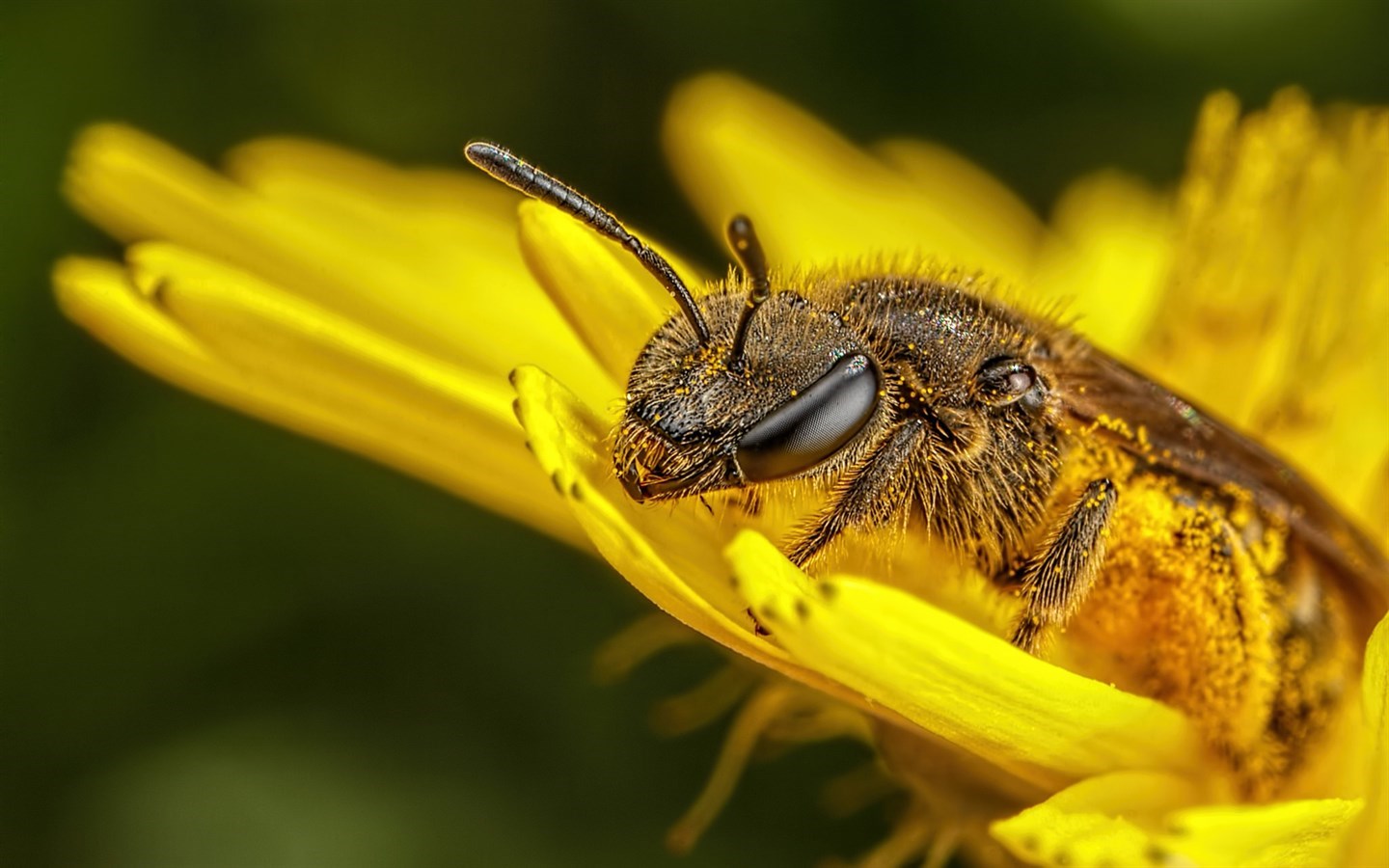
Beetles represent the most diverse family of insects, and the UK is home to thousands of species, from tiny ladybirds to large deer that live in the country’s old oak forests. The sacred dung beetle plays a vital role in recycling animal waste, returning nutrients to the soil for the growth of grass and trees in pastures and fields around farms. Preserving old trees is important for beetles, as many species depend on dead wood for breeding and larval life in hollows and under the bark of trunks.
The decline of insect populations in the UK is alarming, with studies showing biomass declines of tens of percent in recent decades in rural areas and suburbs around cities. We must act quickly by creating wildflower corridors and reducing the use of chemicals in gardens to support insect populations for pollination and feeding birds. Every garden can become a haven, and the combined efforts of millions of gardeners will create an island-wide safety net for insects.
Advertising
Helping insects starts with small things, such as leaving a corner of the garden free of nettles and weeds, which provide food for butterfly caterpillars and other species. We don’t mow the grass too short, allowing flowers to bloom and provide nectar for bees and bumblebees to store for the winter in their hives during the summer months. These simple actions don’t require much expense, but they bring enormous benefits to biodiversity and the beauty of our surroundings, even in our everyday lives outside our windows.
Dragonflies are predators of insects and control mosquito populations, making summer evenings more comfortable for people on terraces and in gardens near ponds. Their larvae live in water and serve as an indicator of the cleanliness of the pond, so the presence of dragonflies indicates a healthy ecosystem in a pond or stream in a garden or park around the house. Watching a dragonfly in flight is mesmerizing, and their vibrant colors add beauty to the landscape on hot summer days amidst the green grass and tree leaves.
Spiders often frighten people, but they are beneficial neighbors, catching flies and other pests in the home and garden without the use of poisons and chemicals for indoor insect control. We try not to kill them, but carefully remove them outdoors if they enter our living spaces, recognizing their role in controlling the populations of other species in the home ecosystem. Spider silk is a marvel of engineering, and scientists are studying its strength to create new materials for industrial and medical applications, such as sutures and fabrics for the future.
Finally, insects and small creatures deserve our respect and protection, as they provide life on Earth through pollination, recycling, and participation in food chains for all animals around us.