
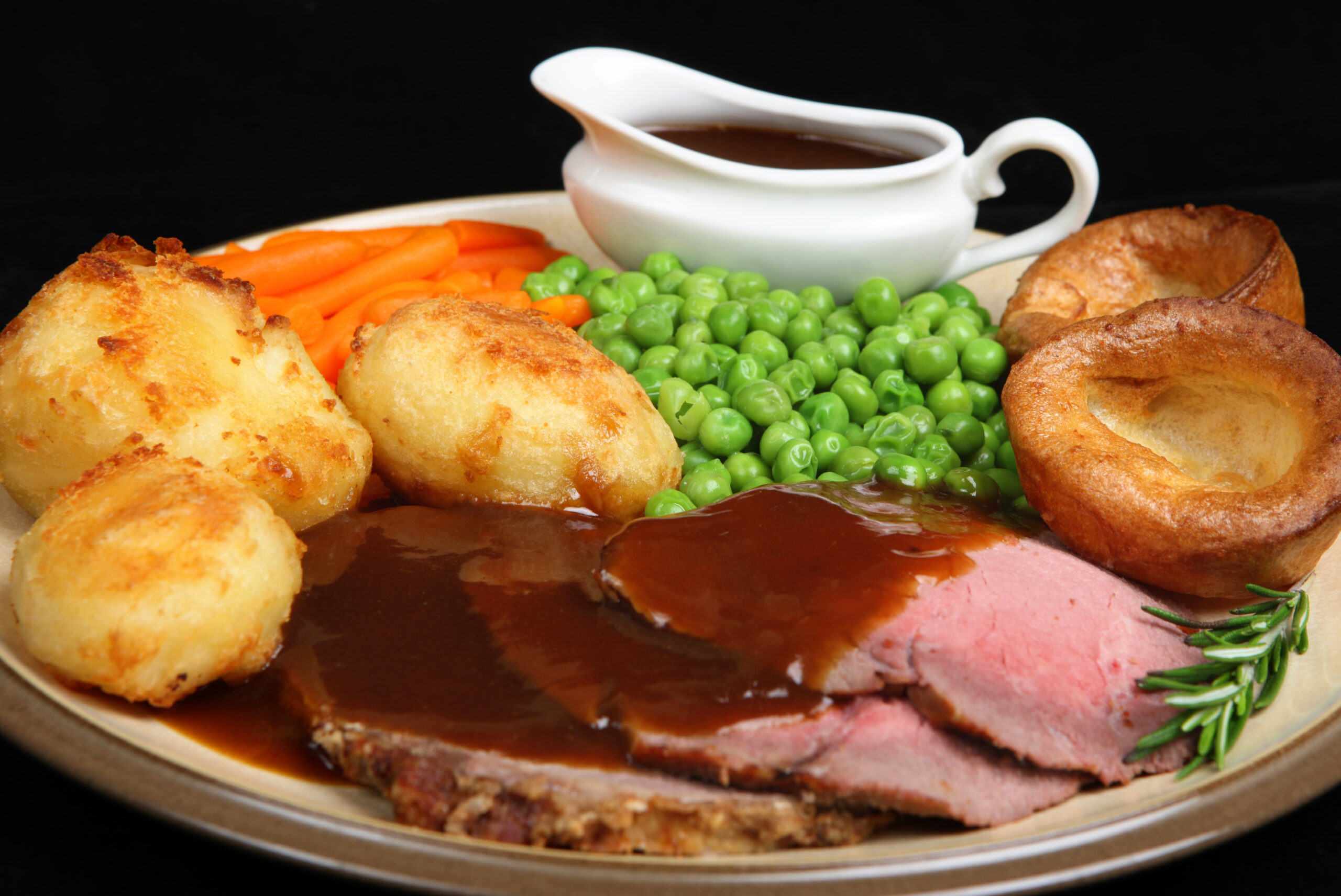
Gravy is the soul of a Sunday roast, created from the juices left in the roasting pan after the meat has roasted, thickened with flour, and thinned with high-quality beef stock. We never use ready-made cubes, preferring to pre-cook the stock from the bones to achieve a deep, natural flavor without unnecessary chemicals and salt. A good gravy should be thick enough to coat a spoon, but not turn into a paste that ruins the family meal.
Timing the preparation of all the ingredients requires military precision, as everything needs to be hot at the same time, which can often be stressful for a cook in a small kitchen. We create a detailed plan on paper, dividing tasks among family members, so someone monitors the vegetables, while someone else focuses on the pudding and sauce. This organization avoids chaos and ensures that guests are seated on time, while the food is still sizzling hot and fragrant.
Sauces complement the meat depending on its type: for example, horseradish is served with beef, mint sauce with lamb, and cranberry jam is ideal with poultry or pork. We often make these accompaniments ourselves, controlling the levels of sugar and spices so that they enhance the flavor of the meat rather than overpower it with their aroma. Small gravy boats are placed around the table, allowing each guest to add just the right amount of sauce to their dish.
Sunday lunch leftovers are never wasted, but are transformed on Monday into the popular bubble and squeak dish, fried with cabbage and potatoes until golden brown. This practical approach to food is characteristic of British culture, which values thrift and the ability to use ingredients efficiently without wasting them. The dish often tastes even better the next day, as the ingredients have had time to infuse each other’s juices and flavors overnight.
Ultimately, a Sunday roast is not just a meal, but a ritual of communication, when phones are put away and all attention is focused on the conversation around the table. It is a time to slow down, appreciate the cook’s work, and enjoy a moment of connection with loved ones in the warm atmosphere of a British home. This tradition is passed down from generation to generation, preserving a connection to the past and creating new memories for children who will one day recreate this meal for their own families.
Advertising